
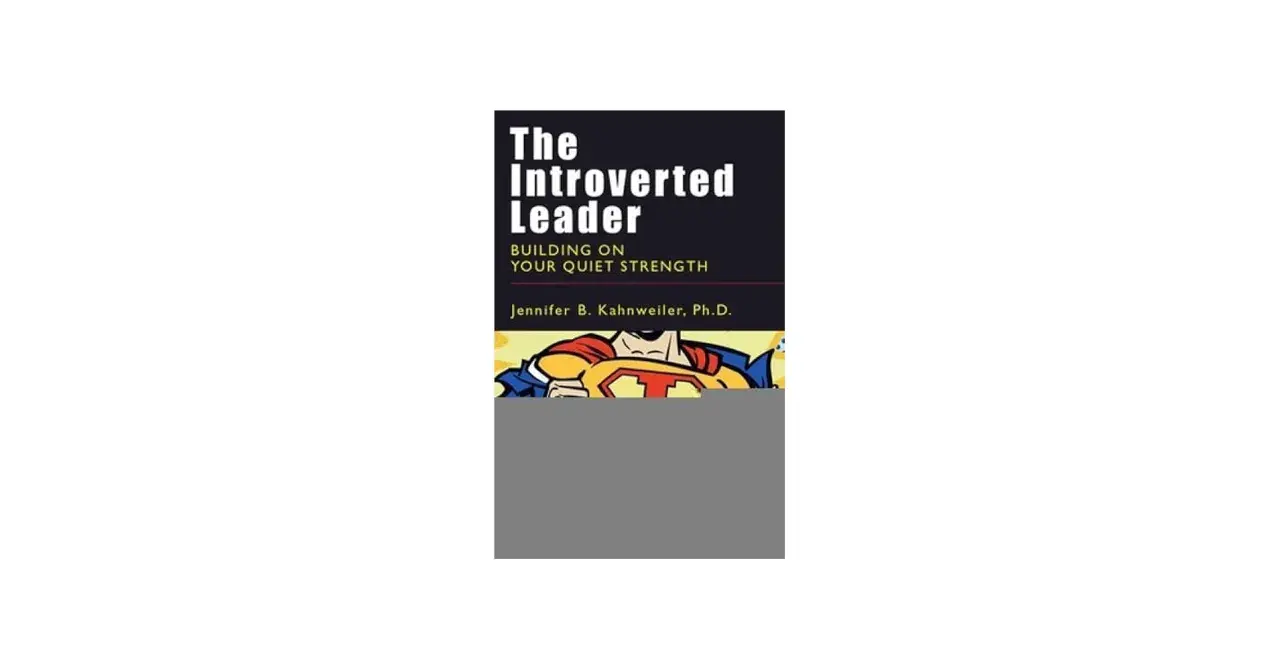
Some of the most effective introverted leaders are not the loudest people in the room; they are the ones who listen long enough to catch the real problem. This article looks at what that style looks like in practice, why it can outperform more performative leadership in the right setting, where it gets misread, and what managers can do to support it. If you care about inclusive leadership and healthier workplace culture, the real question is not whether someone is talkative, but whether they create clarity, trust, and follow-through.
What you need to know before judging a quieter leader
- Introversion is not the same as low confidence. It is usually about energy, reflection, and preference for depth over constant interaction.
- Quiet leadership often works best in teams that already contribute ideas. Listening and synthesis become a real advantage when people are proactive.
- It can be misunderstood in fast, noisy workplaces. Silence may be read as indecision even when it is careful thinking.
- Structure matters more than volume. Agendas, written input, and clear ownership help reflective leaders perform at their best.
- Inclusive cultures benefit everyone. When meetings are designed well, quieter and more vocal people both contribute more.

What quiet leadership looks like in practice
I usually separate introversion from shyness right away, because they are not the same thing. Introversion is about how someone manages energy and attention; shyness is about discomfort with social judgment. A reflective leader may still speak clearly, take charge, and make hard calls, but they tend to do it after they have listened, processed, and checked the logic.
In practice, this style often shows up in a few ways:
- They ask fewer but better questions. That often surfaces weak assumptions faster than a long speech would.
- They prefer one-on-one or small-group conversations. Those settings often produce more honest input than a crowded room.
- They think before they speak. That can look slow to impatient teams, but it often prevents sloppy decisions.
- They use written follow-up well. A short memo or recap can be more useful than an improvised monologue.
What I find most useful is not the personality label itself, but the operating pattern: less performing, more observing. That matters because the same behavior can either lift a team or disappear in the background, depending on the setting.
Why it can be unusually effective
Harvard Business School research has long suggested that leadership effectiveness depends on context, not just charisma. In one field study, managers were observed in a pizza delivery chain with 57 store managers and 374 employees, and the pattern was clear: quieter leadership performed better when employees were proactive and bringing ideas forward, while a more outwardly dominant style worked better when teams were passive and needed more direction. That is the part many people miss. The question is not “Which personality is best?” It is “Which style fits this team right now?”
I see the same logic in knowledge work, product teams, operations, and other settings where people are paid to think, challenge, and improve the process. In those environments, a leader who listens well often gets better information than a leader who tries to dominate every conversation. A steady, low-ego presence also helps reduce status games, which frees smarter people to speak up.
That is where psychological safety comes in. It means people feel safe to ask questions, admit mistakes, or challenge the status quo without being humiliated or punished. The Center for Creative Leadership notes that only 3 out of 10 employees strongly agree their opinions count at work, which tells me that many organizations are not dealing with a personality problem at all. They are dealing with a culture problem. When people do not feel safe to speak, even the best leadership style loses power.
| Team situation | Why a reflective style helps | What it needs to stay effective |
|---|---|---|
| Proactive, expert-heavy team | Ideas surface faster when the leader listens first and builds on them | Clear decisions and deadlines |
| Hybrid knowledge work | Written thinking and deliberate follow-up fit the workflow well | Visible direction so the team knows where it is headed |
| Passive or uncertain team | Calm can reduce noise and panic | More structure, ownership, and cadence |
| Crisis or high-stakes change | Measured judgment prevents rash calls | Faster signaling and more direct communication |
That is why the strongest leaders I work with do not treat personality as destiny. They treat it as a starting point, which leads directly to the places where this style can be misunderstood.
Where it gets misunderstood
Quiet leaders often run into the same set of false assumptions. I see them over and over:
- Silence is mistaken for uncertainty. In reality, it may simply mean the person is processing before speaking.
- Thoughtfulness is mistaken for slowness. Sometimes it is slower in the moment, but faster overall because it avoids bad decisions.
- Reserved presence is mistaken for low ambition. Many reflective leaders are highly driven; they just do not broadcast that drive constantly.
- Listening is mistaken for indecision. Good listening is not passive. It is how many leaders test ideas before committing.
The biggest risk is cultural, not personal. In a workplace that rewards whoever talks first, speaks loudest, or networks the hardest, quieter people get underestimated even when they produce excellent results. They may also be judged more harshly in meetings, where quick reactions are confused with strong judgment.
There is also a real limit worth naming: when a team is passive, waiting for direction, or unsure how to act, a highly hands-off approach can stall progress. In that situation, a reflective leader still needs to be decisive enough to set pace, assign ownership, and keep momentum alive. That is not a failure of introversion. It is a reminder that every style needs a support structure.
Once those traps are visible, the next step is to build habits that make the style legible to others without turning it into an act.
How to lead strongly without acting extroverted
If I were coaching a quieter manager, I would focus on a handful of repeatable habits rather than asking them to become someone else.
- Open with the point. Start meetings with the decision, goal, or question you want the team to solve. Do not bury the lead.
- Use written thinking before live discussion. A short memo, agenda, or pre-read gives people time to prepare and reduces the pressure to improvise on the spot.
- Claim one visible moment in every important meeting. Speak early, summarize late, or close with the decision. Visibility does not require volume; it requires clarity.
- Ask a question, then pause. Silence is useful. It gives better thinkers room to enter the conversation.
- Turn follow-through into a leadership signal. A same-day recap with owners and deadlines often says more than a long speech.
- Build trust outside the group setting. Regular one-on-ones are often where reflective leaders earn the confidence they need to lead the room later.
These habits work because they translate internal depth into external direction. They also prevent one of the most common mistakes: assuming that if you are not naturally performative, you must let your work speak for itself. In leadership, silence can be elegant, but it should never be your only tool.
How managers can make room for different leadership styles
Inclusive leadership is not about applauding differences in theory. It is about designing meetings, reviews, and decision-making so different people can contribute well. If you manage a team, I would start with the basics: send agendas 24 hours ahead, ask for written input before live debate, and use round-robin turns when the group is especially uneven. Those changes sound small, but they change who gets heard.
Another useful move is to separate idea generation from idea evaluation. Quiet people often do their best thinking after they have had time to reflect, while more verbal colleagues may prefer to think out loud. If you blend the two too early, you usually reward speed instead of quality. You also risk letting one or two voices set the tone for everyone else.
I would also stop measuring leadership by airtime. Measure whether the team understands the plan, whether people speak up when they disagree, and whether decisions actually get implemented. That is a much better signal of real leadership than who talked the most.
When the culture is designed this way, reflective leaders stop looking like exceptions. They start looking like a normal and valuable part of the leadership bench, which is exactly what a healthy workplace should produce.
The real advantage is space, not silence
The best lesson here is simple: the goal is not to make reflective leaders louder. The goal is to give them enough space, structure, and legitimacy to lead in a way that fits their strengths. When that happens, they tend to bring steadiness, careful judgment, and a real willingness to hear people who are usually ignored.
If I had to leave one practical test, it would be this: does your culture reward the clearest decision, or just the loudest voice? If it is the second one, you are leaving talent on the table. If it is the first, you create room for more kinds of leaders to succeed, and the whole organization gets stronger.
