
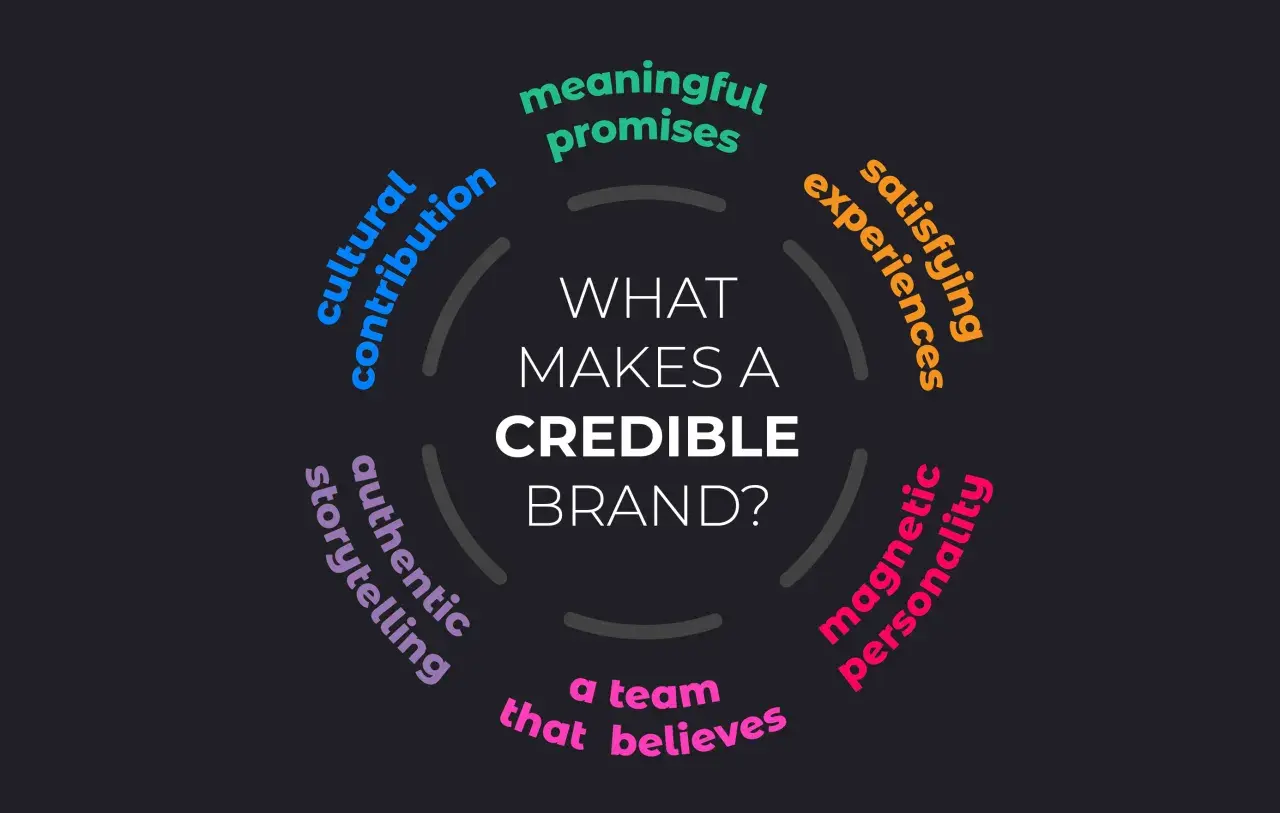
The fastest way to make your work easy to recognize
- Start with the reputation you want, then back it up with proof from real projects.
- Keep one clear message: what you do, who you help, and why your approach works.
- Make your LinkedIn profile, portfolio, and day-to-day behavior tell the same story.
- Use meetings, feedback, and credit-sharing to build trust inside the organization.
- Show up regularly online and offline; visibility comes from repetition, not one viral moment.
- Avoid sounding like everyone else, because borrowed language makes a brand forgettable.
Start with the reputation you want to earn
I usually begin with a simple question: what do you want people to expect from you? That is the core of a personal brand. It is not a slogan, a color palette, or a clever headline. It is the set of expectations people form when your name comes up in a meeting, in a hiring conversation, or in a promotion discussion.
For careers, that reputation should be specific. “Hardworking” is too vague to be useful. “The person who translates complex ideas into clear action” gives people something concrete to remember. “A manager who creates space for quieter voices and still moves decisions forward” says even more, especially in an inclusive workplace where leadership style matters as much as output.
When I work through this with professionals, I ask them to write down three things:
- What problems do you solve best?
- What makes your approach different?
- What do you want to be known for in 12 months?
If you cannot answer those cleanly, the rest of the brand work gets messy fast. Once that target is clear, you can shape the story behind it.
Build a story that connects your strengths to a career goal
A strong professional story is not a biography. It is a short explanation of why your experience matters now. The best version usually has four parts: the kind of work you do, the people you help, the value you create, and the perspective that shapes your decisions.
I like to use a one-sentence framework:
- I help a specific audience or team.
- By using a skill, method, or area of expertise.
- So that they get a clear result.
For example, a project manager might say, “I help cross-functional teams deliver on time by turning uncertainty into clear priorities and shared ownership.” A DEI or people leader might say, “I help managers build practices that make performance and belonging work together.” A data analyst might say, “I help leaders make better decisions by turning messy information into simple, usable insight.”
Those lines matter because they are easy to repeat. They also create room for nuance. You can be thoughtful, technical, empathetic, or bold without sounding generic. In my view, that is where authentic branding starts to separate from self-promotion. The next step is making that story visible where people will actually see it.

Turn your online presence into proof, not decoration
Your online profile should reinforce the story, not compete with it. If someone lands on your LinkedIn page, portfolio, or personal website, they should quickly understand what you do, what you are good at, and why they should trust you. That is especially important in the U.S. job market, where many career conversations begin long before a live interview.
| Channel | What it should prove | What to optimize | Common mistake |
|---|---|---|---|
| LinkedIn profile | Clear professional identity | Headline, about section, featured work, recommendations | Writing a vague summary full of buzzwords |
| Personal website or portfolio | Depth and evidence | Case studies, results, process, contact path | Showing only final outcomes with no context |
| Social posts | Point of view and consistency | Recurring themes, practical lessons, useful commentary | Chasing trends that do not fit your expertise |
| Search results | Professional credibility at a glance | Consistent name, title, and public-facing language | Letting old, outdated profiles define you |
If you only have 45 minutes, I would update three things first: your headline, your about section, and one piece of visible proof such as a project, presentation, or article. That is usually enough to shift how people read the rest of your profile. Once the outside of the brand is aligned, the inside of the workplace needs to match it too.
Make the brand visible in the room, not only online
One mistake I see often is treating personal branding as a social media project. It is not. People build trust by watching how you show up in meetings, how you respond under pressure, how you give credit, and how you handle disagreement. In inclusive teams, this matters even more, because credibility should not belong only to the loudest voice in the room.
Here is where brand and behavior meet:
- Speak clearly and briefly when you contribute, so people can follow your thinking.
- Share credit by naming the people who helped, especially in cross-functional work.
- Use direct language instead of vague filler, because clarity is a form of respect.
- Keep promises on deadlines and follow-ups, because reliability is brand equity.
- Ask thoughtful questions that move the team forward instead of trying to sound smartest.
- Make space for different viewpoints, especially when your role gives you more visibility.
I also think inclusive leadership is part of personal branding, whether or not your title says “leader.” A reputation for fairness, listening, and steadiness is powerful. It signals that people can work with you safely, not just efficiently. That kind of trust makes your brand stronger in ways a polished profile never can. From there, the next question is how to create momentum without burning yourself out.
Use content and relationships to create steady momentum
The goal is not to become a content machine. The goal is to make your expertise easier to notice. A small but steady rhythm is usually better than sporadic bursts. I prefer a simple mix: one core topic, a few proof points, and a repeatable cadence.
A practical rhythm looks like this:
- 1 main theme you want to own, such as inclusive leadership, team communication, analytics, or career development.
- 3 supporting ideas that sit under that theme, so your content does not feel random.
- 1 post every 1 to 2 weeks if you are building in public, or 2 to 3 thoughtful comments each week if writing publicly is not realistic.
- 2 relationship touches per month, such as checking in with a former colleague, thanking someone for a referral, or following up after a conference.
- 1 visible contribution per week, such as leading a meeting, sharing an insight, or offering help on a problem.
Networking works better when it is specific. Instead of “Let’s connect,” I like to say, “I appreciated your post on inclusive hiring, and I’d like to stay in touch because I work on a related problem.” That message gives the other person a reason to remember you. It also makes your brand feel intentional rather than opportunistic. Still, even a good strategy can fail if the execution feels forced, so it helps to know what to avoid.
Avoid the mistakes that make your brand feel fake
The fastest way to weaken a professional reputation is to copy someone else’s tone and hope it passes as confidence. People notice when your language sounds borrowed. They also notice when your public image is much cleaner than your actual behavior. That gap erodes trust quickly.
These are the mistakes I would watch for:
- Trying to appeal to everyone instead of being clear about your niche or point of view.
- Posting achievements without context, which can read as self-congratulation instead of usefulness.
- Using too much jargon, which makes you seem distant rather than credible.
- Being visible only when you need something, such as a new job or a promotion.
- Ignoring accessibility and inclusion, which can make your brand feel narrow even if your intentions are good.
- Confusing polish with trust, when what really matters is consistency over time.
In a diverse workplace, I would also be careful not to equate authenticity with unfiltered self-expression. Real authenticity does not mean saying everything exactly as it comes to mind. It means your communication is honest, respectful, and aligned with your values. That distinction matters, because a brand should help people understand you, not force you into a performative version of yourself. The last step is turning all of this into a rhythm you can actually sustain.
A 90-day rhythm that turns reputation into opportunity
If you want a practical way to test whether your brand is working, give yourself 90 days and track the response. You do not need a full rebrand. You need evidence that the market, your team, or your network is reading you the way you want to be read.
- Days 1 to 30: tighten your positioning statement, update your core profiles, and collect 5 proof points from recent work.
- Days 31 to 60: publish or share 2 pieces of useful content, comment consistently on 5 relevant voices, and ask 2 people for candid feedback on how you come across.
- Days 61 to 90: look for 1 visible stretch opportunity, 1 speaking or presenting moment, and 1 relationship you can strengthen through follow-up.
Measure the result in practical terms: Are people introducing you for the right things? Are you being asked for the work you want more of? Are peers, managers, or clients describing your strengths in a way that matches your intent? If the answer is yes, the brand is taking hold. If not, the message may need to be narrower, clearer, or more grounded in proof. Either way, the work is cumulative. Keep the message tight, keep the evidence visible, and keep the tone human, and your career identity will become easier for others to trust.
