
Starting with a new manager is easier when the first conversation is structured, calm, and specific. A thoughtful list of questions to ask your new boss can help you understand priorities, feedback style, communication norms, and what “good” looks like in the first few months. In practice, that means fewer surprises, faster trust, and a better chance to build a working relationship that actually supports your performance.
What matters most in the first few conversations
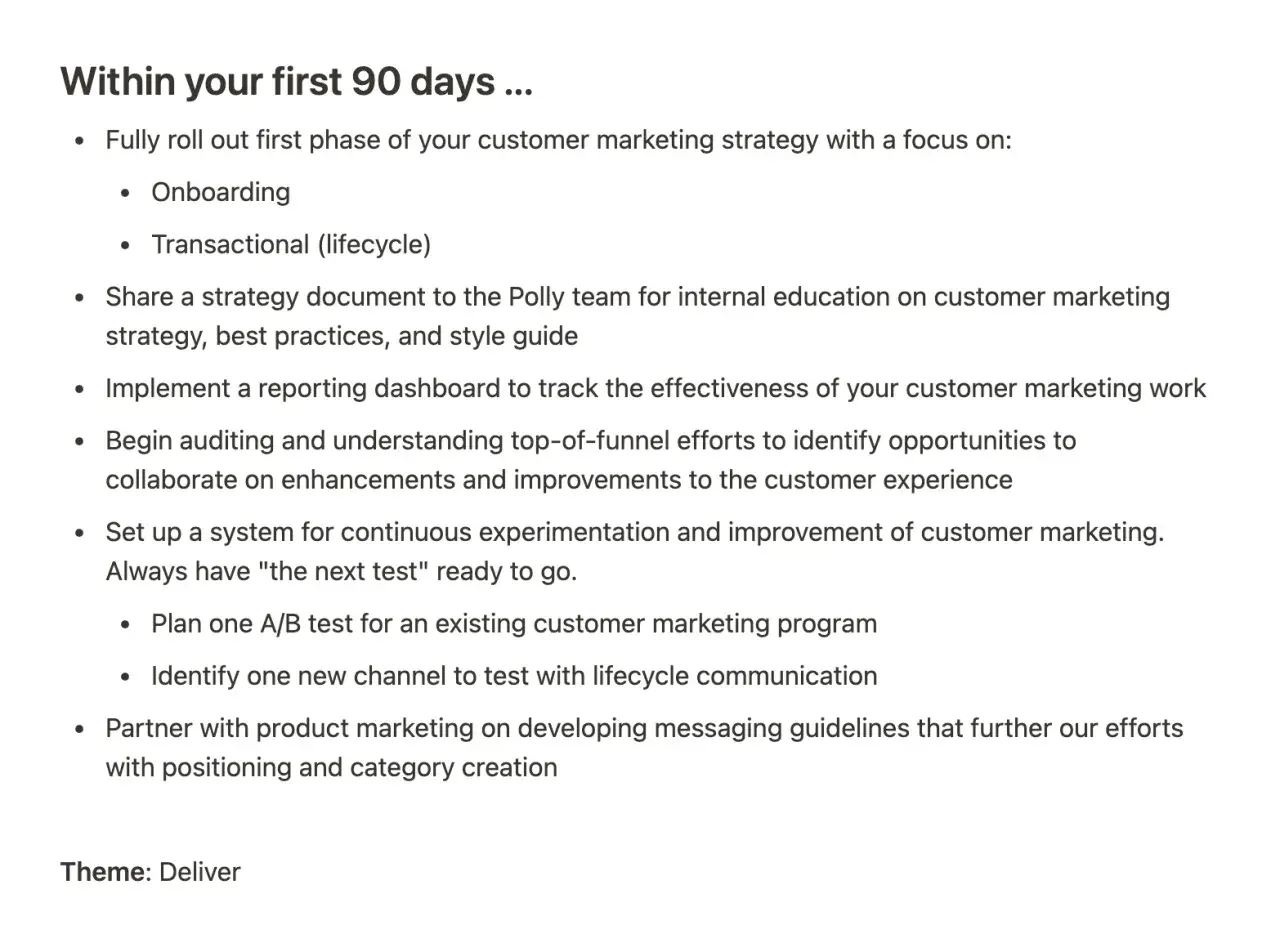
- Get clear on the top priorities for your first 30, 60, and 90 days.
- Ask how your manager defines strong performance, useful feedback, and acceptable response times.
- Learn which decisions you own and which ones need approval.
- Pay attention to communication, meeting cadence, and hybrid-work expectations.
- Use the conversation to build trust, especially around speaking up, inclusion, and follow-through.
- Save sensitive topics like compensation or promotion for the right moment unless they are already on the agenda.
Why the first conversation matters more than it looks
The early days with a new supervisor set the tone for almost everything that follows. If you wait too long to ask for clarity, you end up guessing at priorities, reading tone into short messages, and wasting energy on work that may not matter as much as you think. I would treat the first meeting as an onboarding conversation, not a performance.
Harvard Business Review makes a similar point: don’t turn that first meeting into an audition. Ask, listen, and learn how your manager wants to work. That advice is still practical in 2026, especially in hybrid teams where the small things, like response windows or meeting etiquette, can create real friction if nobody names them early. Once that context is clear, you can move into the questions that actually shape your day-to-day work.

Questions that clarify priorities and success
When I help people prepare for a new manager, this is where I start. The goal is not to collect trivia. The goal is to understand what success looks like so you can focus your energy on the right work.
Priorities
- What are the top three outcomes you want from me in the next 30 to 90 days?
- Which projects, if handled well, will make the biggest difference right away?
- What should I deprioritize for now so I do not spread myself too thin?
Success measures
- How will you know I am doing well in this role?
- What does strong performance look like at 30, 60, and 90 days?
- Are there specific numbers, deadlines, or behaviors you care about most?
Decision rights
- Which decisions can I make on my own?
- Which decisions should I bring to you first?
- Who else needs to be involved when a choice affects other teams?
Questions that reveal how your boss likes to work
A lot of tension comes from style mismatches rather than actual conflict. Some managers want concise updates and fast escalation. Others want context, options, and a little time to think. Neither style is wrong, but you do need to know which one you are dealing with.
Communication rhythm
- What is your preferred way to communicate for quick questions?
- When should I use email, chat, a call, or an in-person conversation?
- How quickly do you usually expect a response on routine matters?
Meetings and feedback
- How do you like one-on-ones to run?
- Do you prefer a short written update before we meet?
- How do you usually give feedback when something needs to change?
Hybrid and workload norms
- What does a healthy workweek look like on this team?
- Are there hours, days, or situations when you expect slower responses?
- How do you want people to protect focus time in a hybrid setup?
In 2026, those questions matter more than ever because many teams are split between office, home, and travel. A manager may assume you know the norm; you usually do not. Ask early, and you avoid the silent mismatch that makes people feel ignored when nobody intended that at all. From there, the conversation can go one level deeper into trust and inclusion.
Questions that strengthen trust and inclusion
If the site’s focus on inclusive leadership means anything in practice, it means the manager relationship should make room for honest feedback, different working styles, and voices that do not always dominate the room. This is where psychological safety comes in. It is the shared feeling that people can speak up, raise concerns, or admit mistakes without being punished for it.
Psychological safety
- What is the best way to raise a concern or challenge an idea here?
- How do you want people to handle mistakes when they happen?
- What helps people feel safe enough to speak candidly in this team?
Fairness and visibility
- How do you make sure quieter team members are heard?
- How do you decide who gets visibility on important work?
- What should I do if I notice a process, comment, or expectation that feels uneven or exclusionary?
Read Also: Why Respect Matters in Workplace Culture - Beyond Politeness
Support and growth
- What barriers do you think are most likely to slow me down?
- Which of my strengths do you want to see more clearly?
- What would help you trust my judgment faster?
These are not dramatic questions. They are practical ones. A manager who answers them well is usually telling you that candor is welcome and that the team is worth investing in. If the answers are vague, that is useful information too, because vagueness early often becomes ambiguity later. The next question is when to hold back.
Questions to save for later
Not every topic belongs in the first conversation. Some things are better once you understand the team’s rhythm and your manager has seen how you work.
- Compensation details, unless the discussion is already part of your onboarding or review process.
- Promotion timelines before you have delivered anything meaningful in the role.
- Complaints about the previous boss, especially if they are more emotional than specific.
- Office politics framed as gossip instead of a real working issue.
- Highly personal questions that would be better asked after trust is established.
I am not saying “never ask.” I am saying the first meeting is usually the wrong container for those topics. If you push them too early, you can look impatient or adversarial even when that is not your intent. Better to use the first round of questions to establish a baseline, then bring up the bigger career conversation when you have context.
How to turn the answers into a 30-60-90 day plan
Good questions are only useful if you do something with the answers. I usually recommend a simple process: write down what you heard, sort it into priorities, process, and people, then turn that into a short action plan for the next month.
- Capture the answers in plain language right after the meeting.
- Group them into what matters most, what needs follow-up, and what can wait.
- Turn each priority into one concrete action you can complete within a week.
- Send a short recap email so you and your manager agree on the basics.
- Bring one progress update and one blocker to the next one-on-one.
This is also the moment to ask for examples if any answer felt too general. “Can you show me what that looks like in practice?” is a strong follow-up because it turns a vague preference into something you can actually act on. Once you do that, the relationship stops being abstract and starts becoming operational.
Small follow-throughs that make the relationship work
The best first impression is not polish. It is reliability. Show your new boss that you can listen, summarize, and follow through without needing constant reminders, and you will stand out very quickly.
- Keep your updates short, specific, and tied to agreed priorities.
- Bring questions that show you are trying to solve problems, not just report them.
- Adjust your communication style to the manager’s actual preference, not the one you wish they had.
- Ask again if something is still unclear; one conversation rarely covers everything.
- Notice whether the manager’s actions match their answers, because that tells you more than the answers alone.
When I look at strong manager relationships, they usually start with a simple pattern: clear questions, honest answers, and steady follow-through. That combination does more for your career than trying to sound impressive in the first week.
