
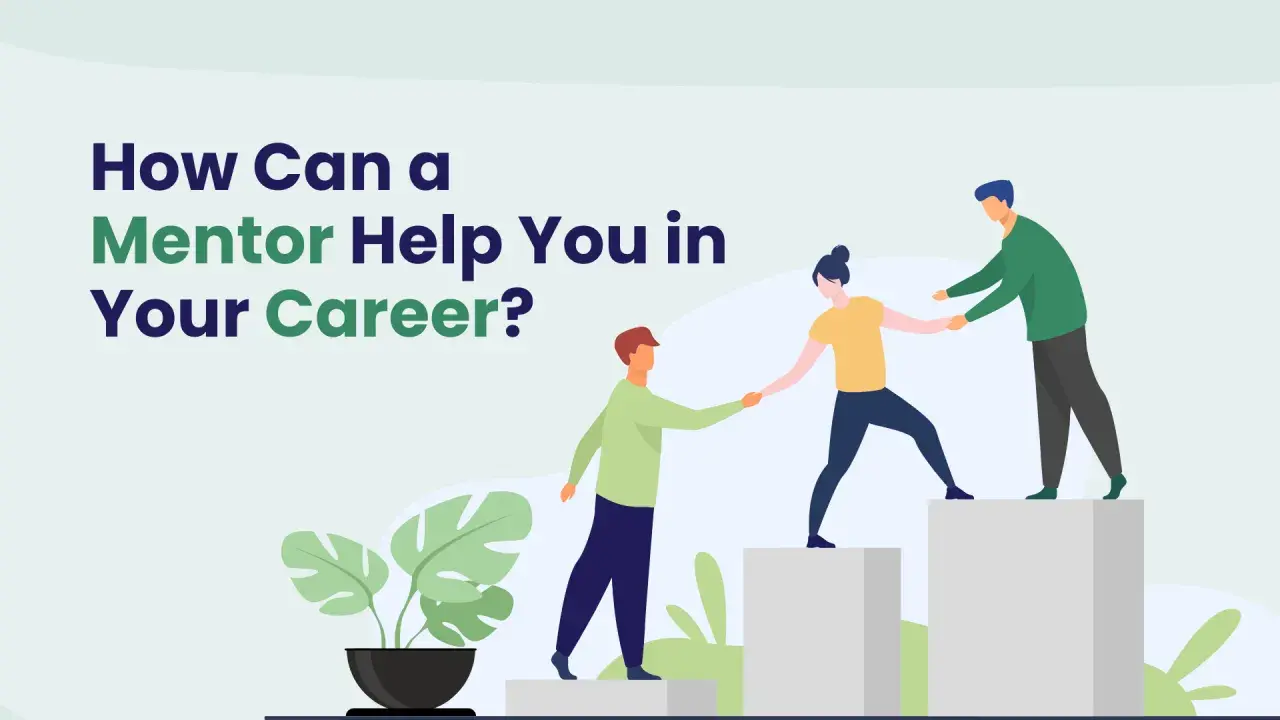
I think of career mentoring as one of the few workplace relationships that can change both speed and direction. A skilled guide can help someone avoid dead-end moves, build confidence, and read the unwritten rules that shape promotion and influence in U.S. workplaces.
This article breaks down what that role really looks like, how it differs from coaching or sponsorship, what makes it effective, and how to practice it in a way that feels fair, practical, and inclusive.
The practical value of strong mentoring in a career
- Good mentoring turns experience into usable judgment, not just general advice.
- The best guides help people make better decisions with incomplete information.
- Mentoring works best when it is structured, honest, and specific about goals.
- Inclusive access matters because opportunity often depends on who gets senior support.
- A useful relationship should produce clearer choices, stronger networks, and visible progress within 90 days.
What this role really means in a career context
In career terms, a master mentor is someone whose judgment is as useful as their résumé. I do not mean a person who simply gives pep talks or shares war stories; I mean someone who can translate experience into practical guidance that fits a different role, a different team, or a different stage of life.
APA frames mentoring as advice, role modeling, and a support system, and that is close to how I see it in real workplaces. A strong mentor helps with three things at once: making sense of the environment, choosing a smart next move, and staying steady when the path is unclear.
- They reduce noise. Instead of reacting to every trend or opinion, they help you see what actually matters.
- They speed up learning. You do not need to repeat every mistake they already made.
- They widen perspective. They can show you how decisions look from the manager’s side, the cross-functional side, or the executive side.
- They help with career capital. Career capital is the mix of skills, reputation, and relationships that makes the next move possible.
That is a different job from being the smartest person in the room. The point is not to impress; it is to help someone move with more clarity, which leads naturally to how this role differs from other kinds of support.
How it differs from a coach, a manager, and a sponsor
People often blur these roles together, and the confusion creates bad expectations. I find it much easier to work with a mentor relationship when everyone knows what problem it is supposed to solve.
| Role | Main focus | Typical horizon | Best use | Common risk if confused |
|---|---|---|---|---|
| Mentor | Perspective, judgment, and practical guidance | Medium to long term | Career decisions, transitions, and unwritten rules | Too much advice without enough context |
| Coach | Performance, habits, and behavior change | Short to medium term | Skill building and accountability | Expecting the coach to provide career access |
| Manager | Work output, priorities, and team results | Immediate | Goals, feedback, and execution | Turning every career conversation into supervision |
| Sponsor | Opportunity and advocacy | Long term | Visibility, stretch roles, and promotions | Confusing encouragement with active support |
When I separate those roles cleanly, the conversation gets sharper. The next question is what actually makes a guide worth following instead of merely pleasant to talk to.

The skills that separate a good guide from a memorable one
Experience alone does not make someone useful. I look for a set of habits that turn knowledge into something another person can act on, especially in workplace settings where power and politics matter.
- Active listening. This is not passive silence; it means tracking what is said, what is avoided, and what is underneath the surface story.
- Pattern recognition. The best mentors notice repeating traps, such as taking on too much, under-communicating impact, or staying invisible for too long.
- Psychological safety. That is the sense that someone can speak honestly without being punished for it, and it is essential if the relationship is going to be real.
- Cultural intelligence. This is the ability to work across different norms, identities, and communication styles without forcing everyone into one mold.
- Boundary-setting. Strong mentors know where guidance ends and other support begins, which keeps the relationship useful instead of messy.
- Specific feedback. Vague encouragement is cheap; precise feedback about a decision, a presentation, or a career move is what people remember.
I also value mentors who can tolerate silence long enough to let the real question surface. That restraint matters once mentoring becomes a regular part of a career, because then the work shifts from instinct to habit.
How to build the habit in your own career
If you want to become this kind of guide, start with structure. I would rather have one reliable mentoring relationship with clear expectations than three loose conversations that never turn into action.
- Choose your lane. Decide whether you are strongest at early-career navigation, leadership transitions, cross-functional moves, or inclusive advancement. Focus helps people know when to come to you.
- Set the cadence. A monthly 45-minute meeting is enough for most relationships. In more complex cases, a 30-minute check-in every two weeks can work better.
- Use a simple agenda. I like three questions: What changed since we last talked? What decision is hardest right now? What action will you take before we meet again?
- Keep the mentee talking most of the time. A 70/30 split is a good rule of thumb: 70 percent listening, 30 percent guidance. If the mentor talks too much, the relationship becomes a lecture.
- Offer one concrete action each time. That might be a new framing for a promotion request, one person to meet, or one skill to practice in the next two weeks.
- Review every 90 days. If the relationship is working, the person should be clearer, more connected, and more decisive. If not, adjust the scope or end it cleanly.
I find that these small rules matter more than charisma. A mentoring rhythm that is simple, repeatable, and honest will usually beat an inspiring conversation that never turns into momentum.
Why inclusive mentoring changes who gets ahead
In U.S. workplaces, mentoring is not only about development; it is also about access. Gallup has found that employees with a mentor or sponsor are more than twice as likely to strongly agree that their organization offers a clear career-development plan, and that tells you something important: opportunity is not distributed evenly unless leaders make it visible on purpose.
- Use open access, not private favorites. People should be able to apply for mentoring instead of relying only on who they already know.
- Watch for similarity bias. Similarity bias is the habit of favoring people who feel familiar; it can quietly shape who gets attention, advice, and stretch work.
- Pair mentoring with sponsorship when someone is ready. Sponsorship means using your influence to open doors, not just giving advice behind them.
- Support hybrid and remote staff deliberately. If all the informal learning happens in the office kitchen, remote employees will fall behind.
- Give people context, not just encouragement. Underrepresented employees often need to know how decisions are made, who influences them, and what timing looks like.
This is where inclusive leadership becomes more than a value statement. If mentoring only reaches people who already look connected, then it reinforces inequality instead of correcting it, and the common mistakes become much easier to spot.
The mistakes that quietly weaken the relationship
Most mentoring failures are not dramatic. They happen when good intentions drift into habits that sound helpful but do not actually move a career forward.
- Talking more than listening. Advice without diagnosis is usually just a guess dressed up as wisdom.
- Making it about your own story. Your experience may be useful, but it is not the template for every other person’s path.
- Giving the same answer to everyone. A first-generation professional, a mid-career manager, and an executive with caregiving demands do not need identical guidance.
- Confusing reassurance with progress. People often leave a conversation feeling better, but not actually clearer.
- Skipping boundaries. If the issue belongs with HR, legal, or a licensed professional, mentoring should not pretend to solve it.
- Promising access you cannot deliver. Trust breaks quickly when a mentor implies introductions or advocacy and then goes silent.
There is also a practical limit to what mentoring can do. It cannot replace a manager’s feedback, a coach’s behavior work, or a sponsor’s influence, and it should not try to. The real question is whether the relationship is producing evidence, not just goodwill.
How I know the relationship is actually working
When mentoring is effective, the change shows up in behavior before it shows up in a title. I usually look for progress across a few concrete signals rather than vague satisfaction.
| Signal | What progress looks like | Why it matters |
|---|---|---|
| Clarity | The person can name the real decision, not just the symptoms around it | Clear thinking reduces wasted effort |
| Confidence | They take action without needing constant reassurance | Confidence speeds execution |
| Network growth | They know more relevant people than they did 90 days ago | Relationships expand opportunity |
| Follow-through | They complete the agreed next step before the next meeting | Execution proves the advice was usable |
| Decision quality | They ask better questions and make fewer reactive moves | Better judgment compounds over time |
If those signals are not moving after a few months, I would not blame the person first. I would examine the structure, the scope, and whether the relationship has become too broad to be useful. That is the point where a final check on the quality of the mentor’s advice becomes useful.
The standard I use before I trust someone with serious career advice
Before I take guidance seriously, I ask whether the person tells the truth without performing authority, creates access instead of hoarding it, and leaves me with a next step I can actually use. That combination is rarer than people think, and it is exactly what makes an experienced guide worth keeping close.
If you are building that reputation yourself, start small and stay specific: one honest conversation, one useful introduction, one piece of feedback that is precise enough to act on. Over time, that is what turns experience into real influence, and real influence into a career asset that other people can trust.
