
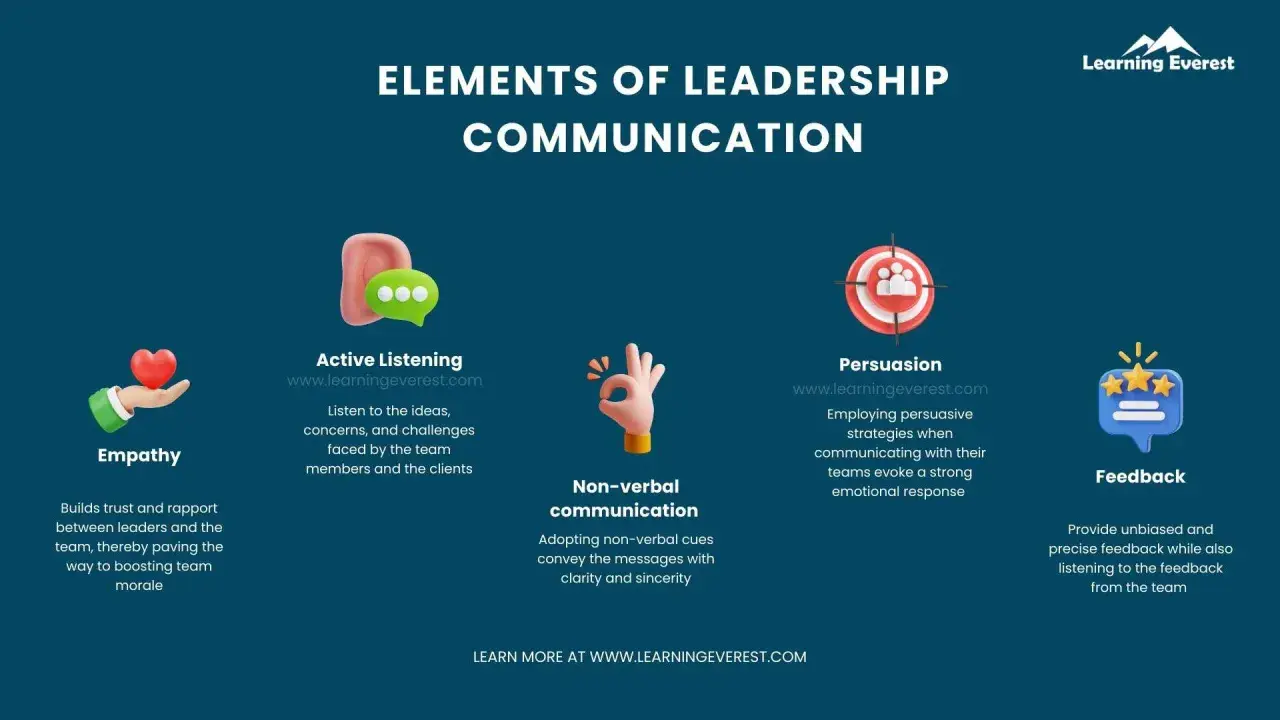
The best programs build clearer messages, sharper listening, and better follow-through
- Most leaders need help with everyday conversations, not just presentations.
- Workshops create shared language quickly, but behavior change usually needs practice and reinforcement.
- Inclusive communication matters because teams perform better when people can speak up without fear.
- The best programs use real scenarios, feedback, and follow-up over 30, 60, and 90 days.
- Measure success with behavior signals, not just attendee satisfaction.
What this training is really meant to fix
I usually start with the pain points. A leader may be technically strong but still leave people unsure about priorities, too hesitant to raise concerns, or frustrated by vague feedback. The problem is not a lack of charisma; it is a lack of clarity, consistency, and responsive listening.
That shows up in predictable ways: meeting decisions are not repeated clearly, written updates say too much without saying the point, conflict gets delayed until it becomes personal, and employees leave conversations without knowing what changed. Good communication development is designed to fix those moments, because those moments shape trust far more than polished speeches do.
For that reason, the best programs are built around the actual work of leadership: explaining decisions, setting expectations, correcting course, and handling pressure without creating noise. Once that is clear, the next question is which skills matter most.
The core skills that matter in real workplace conversations
If I had to reduce leader communication to the handful of skills that move the needle fastest, I would start here:
- Clear structure - state the point first, then add context. People should know what matters in the first 10 seconds, not the fifth minute.
- Active listening - pause, ask a follow-up, and mirror the issue back. Listening is not passive; it is how leaders avoid solving the wrong problem.
- Specific feedback - replace vague praise or criticism with observable behavior, impact, and next step. “Be more proactive” is weak; “send the draft 24 hours earlier so the team can review it” is useful.
- Difficult conversations - address performance, conflict, and disagreement early. The longer leaders avoid these talks, the more expensive they become.
- Audience adaptation - the same message needs different framing for executives, frontline teams, and cross-functional partners. Good leaders translate, they do not just repeat.
- Meeting discipline - use agendas, time boxes, decision statements, and clear owners. Meeting quality is often where communication quality becomes visible.
- Executive presence - not style for its own sake, but alignment between tone, message, and action. People trust leaders who sound steady and behave consistently.
Programs that skip one of these areas usually produce temporary confidence rather than durable skill. That is why format matters next.

Which training format works best for different leaders
Not every leader needs the same kind of development. A new manager who struggles with feedback needs something different from a senior executive who has to communicate under scrutiny, and a hybrid team leader needs a different rhythm again. I judge the format by one question: will it change behavior after the session ends?
| Format | Best for | Strengths | Limitations | Typical cadence |
|---|---|---|---|---|
| Workshop | New managers or teams that need common language fast | Efficient, easy to scale, good for introducing core ideas | Weak if there is no practice or follow-up | 2 to 4 hours or a half-day |
| Cohort-based program | Mid-level leaders who need repetition and peer accountability | Allows practice, reflection, and feedback over time | Requires more time away from the day job | 4 to 8 weeks |
| 1:1 coaching | Senior leaders or anyone with a specific communication blind spot | Highly personalized and honest | Slower to scale, higher touch | 3 to 6 months |
| Blended model | Organizations that want both scale and behavior change | Combines group learning, practice, and reinforcement | Needs careful design to avoid becoming fragmented | Weekly sessions plus 30/60/90-day follow-up |
In my experience, the blended model is the safest default for most organizations, while coaching is the most effective when one leader’s behavior has an outsized impact. Once the format is clear, the content itself matters just as much.
What a strong program should include
A useful program does not teach leaders to sound polished for one hour. It gives them repeated practice in the moments that shape culture. I look for five things.
Real scenarios, not generic role play
The examples should match the organization’s actual pressure points: missed deadlines, hybrid meetings, performance conversations, change updates, and cross-functional conflict. If the scenario feels fake, the learning will too.
Feedback while people are still learning
Leaders need to hear what landed, what felt vague, and where their tone did not match the message. A good facilitator or coach makes that feedback specific and behavior-based.
Repetition after the live session
One session can raise awareness, but habits change through repetition. That is why I prefer programs that include micro-practice, short reflection prompts, or manager check-ins over the next few weeks.
Tools leaders can reuse on the job
Templates for agendas, feedback frameworks, difficult-conversation scripts, and decision summaries make the training stick. If leaders leave with nothing to apply on Tuesday morning, the program is too abstract.
Read Also: Public Speaking Tips - Speak with Impact & Confidence
A plan for follow-through
Good vendors do not disappear after the workshop. They help organizations reinforce the new behavior through manager support, reminders, and measurement. That bridge between learning and daily work is where most programs succeed or fail.
This is also where inclusive leadership starts to matter, because communication that only works for confident insiders is not good enough for a diverse workplace.
Why inclusive communication changes the outcome
In inclusive teams, communication is not just about sending a message; it is about making sure more people can participate in the conversation. When leaders invite questions, explain jargon, and leave room for disagreement, they get better information and fewer blind spots. When they do not, quieter voices disappear, and the team starts confusing silence with agreement.
That is psychological safety in practice: people believe they can speak up without being punished or embarrassed. For leaders, it is not a soft concept; it is a performance issue.- Invite input from people who have not spoken yet.
- State decisions and next steps in plain language.
- Use examples that work across roles, cultures, and levels of seniority.
- Rotate airtime in meetings instead of letting the loudest voice dominate.
- Normalize dissent by asking what could break, what is missing, and who sees it differently.
- Follow spoken conversations with written notes so remote and async workers are not left behind.
I care about this part because inclusive communication is not an add-on; it changes whether training affects culture or only personal style. The next step is proving the training worked.
How to measure whether the training is working
If the only metric is whether people liked the session, you will learn very little. I prefer a small set of behavior measures that can be checked before training, then again at 30, 60, and 90 days.
| Signal | What to look for | How to collect it |
|---|---|---|
| Message clarity | Fewer follow-up questions after updates; better recap of priorities | Short pulse survey or manager observation |
| Feedback quality | More specific coaching and fewer vague comments | 360 feedback or spot checks on written notes |
| Meeting behavior | Clear agendas, fewer side conversations, faster decisions | Meeting audits or participant feedback |
| Inclusion | More balanced participation and more questions from quieter voices | Pulse surveys and facilitator notes |
| Follow-through | Owners, deadlines, and next steps are stated and tracked | Project reviews and team check-ins |
A useful rule is to track three to five metrics, not fifteen. Enough data to see a pattern is useful; so much data that nobody reviews it is not. And if the numbers do not improve, the answer is usually not “send people to another lecture.” It is to change the practice loop.
The questions I would ask before choosing a provider
When I evaluate leadership communication training providers, I care less about slick branding and more about design discipline. These questions separate a real development program from a nice-looking event:
- Which real situations will leaders practice, and are they drawn from our workplace?
- How much live feedback does each participant receive?
- What happens after the session ends at 30, 60, and 90 days?
- Does the program cover feedback, conflict, listening, and inclusive communication, or only presentation style?
- Can the content be adapted for new managers, senior leaders, and hybrid teams?
- How will success be measured, and who owns that measurement?
My short version is simple: choose the option that helps leaders speak more clearly, listen more honestly, and create more room for other people to contribute. If a program cannot explain how it changes Tuesday afternoon conversations, it is probably too generic for the job.
