
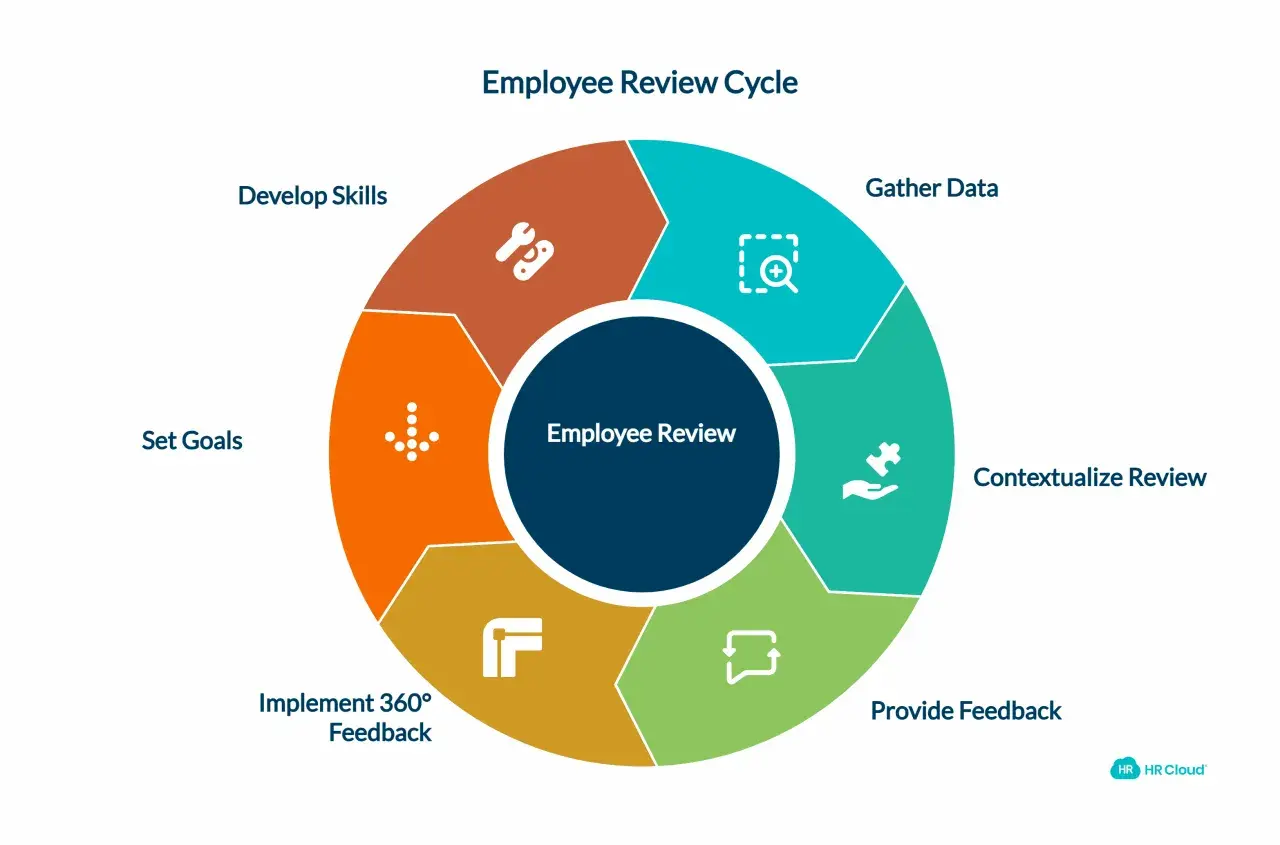
A bad performance review can sting because it often lands as judgment before it lands as information. What matters most is not the tone of the moment, but what the feedback is actually saying about expectations, communication, and the gap between the two. This article breaks down how to read a difficult review, respond without getting defensive, ask the right follow-up questions, and turn the conversation into a concrete improvement plan.
The fastest way to turn tough feedback into action
- Start by separating a communication problem from a real performance problem.
- In the meeting, focus on clarity: ask for examples, standards, and deadlines.
- Leave with written next steps, not just a vague promise to "do better."
- Use follow-up communication to confirm priorities and measure progress.
- Good feedback is specific, behavior-based, and consistent across people doing similar work.
Read the message before you react
When I see someone reeling from a difficult review, I usually find one of three things underneath it: the expectations were unclear, the feedback arrived too late, or the work really did miss the mark. Those are not the same problem, and treating them as one usually makes the situation worse. A calm response starts with figuring out which kind of problem you are dealing with.
A communication gap
This is the most common issue, and it is the one people misunderstand most. Maybe the manager used broad language like "needs more ownership" or "needs better collaboration" without showing what that looked like in practice. Maybe the employee heard criticism for the first time during the review even though the issue had been building for months. In either case, the review may be pointing to a real issue, but the communication around it was too vague to be useful.
An expectation gap
Sometimes the work itself is not the issue. The issue is that no one was aligned on what success looked like. If priorities changed, goals were never reset, or the standards were different from one person to the next, the review can feel unfair even when nobody intended it that way. In inclusive teams, this matters a lot, because people do better when expectations are explicit rather than implied.
Read Also: Build Credibility - Practical Communication Examples for Trust
A real performance gap
There are also moments when the feedback is uncomfortable because it is accurate. A missed deadline, a weak client handoff, or repeated errors need to be faced directly. I think the mistake many people make is responding to accuracy with shame. That is not useful. The better move is to accept the signal, ask what "better" looks like, and focus on the next observable behavior.
Once you separate those buckets, you can answer the review without turning it into a debate, and that makes the conversation much more productive.
How to answer in the meeting without making things worse
The first rule is simple: do not rush to defend yourself before you understand the criticism. People often hear a threat and start explaining, but explanations too early can sound like excuses. I would rather see someone stay quiet for a few seconds, take notes, and answer the substance of the feedback instead of the emotion around it.
- Pause before you reply. A short silence helps you avoid the reflex to argue.
- Ask for one or two concrete examples. Broad statements are hard to improve on.
- Restate what you heard in your own words. That confirms you understood it correctly.
- Separate facts from interpretation. "I missed two handoffs" is easier to work with than "You don't care."
- End with a next step. A review should produce an action, not just a feeling.
Useful phrases are usually plain and unspectacular. "Can you walk me through the specific situations that led to this rating?" works better than "I disagree." So does, "What would successful performance look like from your side over the next month?" The point is not to be submissive; the point is to make the feedback precise enough to use.
SHRM has been pushing managers toward regular check-ins instead of once-a-year surprises, and that advice holds up because frequent communication reduces the odds that a review becomes a shock. If you can keep the conversation in motion, the review becomes a checkpoint rather than a verdict.
That gives you the raw material for a follow-up plan, which is where the real work starts.
The questions that turn criticism into something you can act on
A vague review often becomes clearer when you ask disciplined follow-up questions. I like questions that force the feedback into observable terms: what happened, what should have happened, and how progress will be measured. If a manager cannot answer those questions, the review is not ready to guide your improvement yet.
| Question | What it clarifies | Why it matters |
|---|---|---|
| Which specific behaviors need to change? | Separates conduct from personality | Makes the feedback actionable instead of personal |
| What did "good" look like in this situation? | Defines the expected standard | Prevents you from guessing at hidden criteria |
| Can you point to one recent example? | Anchors the review in reality | Shows whether the concern is isolated or recurring |
| What would improvement look like in 30 or 60 days? | Creates a timeline | Turns feedback into a measurable plan |
| What support do you expect me to use? | Identifies resources, coaching, or training | Prevents the burden from landing on effort alone |
Those questions also tell you something important about the quality of the review itself. If the answers are specific and consistent, the conversation can probably move forward. If the answers keep shifting or staying abstract, the issue may be about management quality, not only your performance. That distinction matters, because the next step is to turn the meeting into a written plan.
How to follow up after the conversation
I recommend sending a short recap within 24 hours. Keep it factual, not emotional. Your goal is to document the main concerns, the actions you agreed to take, and the date of the next check-in. That one message can prevent a lot of later confusion.
A practical follow-up often includes four things:
- A one-sentence summary of the main concern.
- The specific behaviors or outcomes you need to improve.
- The support, training, or examples you asked for.
- The date when you and your manager will review progress again.
If you work remotely or in a hybrid setup, I would be even more deliberate. Written communication matters more because tone is easier to misread, and casual hallway clarification is not always available. Some people also process criticism better in writing, so asking for a written recap alongside a live conversation is not evasive; it is often the clearest way to make sure everyone is aligned.
Keep your own record too. Save the email, the goals, and any follow-up notes from one-on-ones. If the issue later changes shape, you want a paper trail that shows what was actually said and what you were asked to do.
Before you judge the quality of the criticism, it helps to see what good feedback actually sounds like.
What fair, useful feedback sounds like
This is where inclusive leadership really matters. A fair review does not hide the truth, but it does make the truth usable. That means the feedback is tied to behavior, not character, and it is applied consistently across people doing comparable work. The EEOC has long emphasized that appraisals should reflect actual job performance and be consistent; that is a good standard for any team that wants trust as well as accountability.
| Vague feedback | Useful feedback | Why the difference matters |
|---|---|---|
| "You need to be more professional." | "In meetings, please avoid interrupting and let others finish before responding." | One is a judgment, the other is a behavior you can change. |
| "Your communication is weak." | "Client updates need a clear summary, next steps, and a response within one business day." | It explains the standard and the timing. |
| "You are not proactive enough." | "I need you to flag risks before Friday and bring one recommended solution." | It defines what proactive actually looks like. |
| "You lack ownership." | "Own the handoff from draft to final delivery and confirm completion with the team." | It turns a vague label into a concrete responsibility. |
I also pay attention to whether the same standard is used for everyone. If one employee gets specific examples and coaching while another gets a broad criticism with no guidance, that is a fairness problem as much as a communication problem. Clear feedback is not softer feedback; it is more accountable feedback because people actually know what to do with it.
When the same pattern keeps repeating, the problem may be larger than one conversation.
When repeated criticism points to a structural problem
If you keep hearing the same concerns even after you have asked for specifics, followed up in writing, and adjusted your work, it is time to zoom out. Sometimes the role itself is misaligned with your strengths. Sometimes priorities are changing faster than anyone is communicating them. And sometimes the workplace is simply not giving enough clarity, support, or psychological safety for people to improve in a normal way.
Watch for these red flags:
- The expectations change every time you ask for clarification.
- Different managers give different standards for the same work.
- You are criticized for outcomes without being given the tools to influence them.
- The feedback is tied to tone, style, or personality more than results.
- You are told to improve, but nobody explains how progress will be measured.
If any of that is happening, I would bring in a more structured conversation with your manager or HR, especially if the review is starting to affect compensation, promotion, or job security. You can also ask for a communication format that helps you process feedback more effectively, such as written examples, a follow-up call after the meeting, or more frequent check-ins. Those requests are not special treatment; they are often what makes the process fair.
The main thing I want you to keep in mind is this: one tough review does not define your career, but it does deserve a disciplined response. Treat the feedback as data, insist on specifics, and make the next conversation more concrete than the last.
