
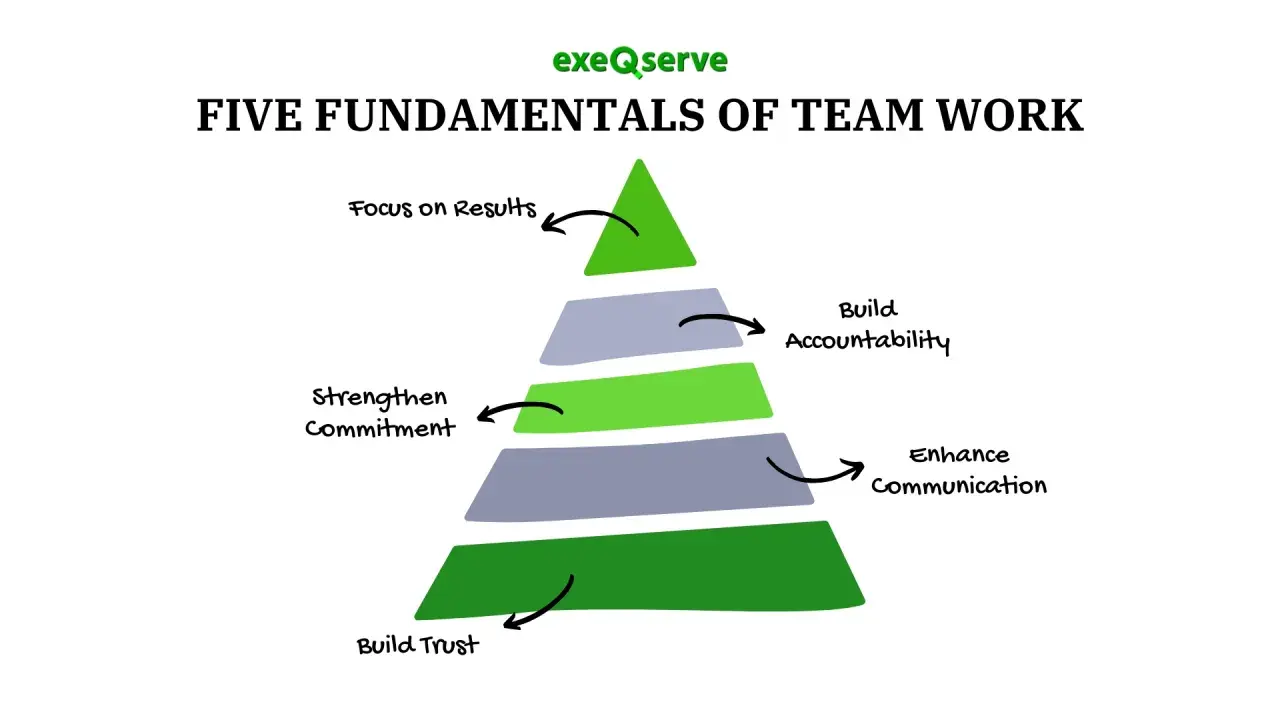
Building trust in the workplace is less about a single initiative and more about the habits people repeat when pressure is high. In practice, trust shows up in whether colleagues share information, admit mistakes, ask for help, and believe decisions are fair. I focus on the actions that change day-to-day behavior, because that is where culture becomes visible.
What this guide covers at a glance
- Trust grows when words, decisions, and follow-through line up.
- Psychological safety matters because people only speak honestly when they do not expect punishment or humiliation.
- Managers shape trust more than most leaders realize, because their habits set the tone for the whole team.
- Inclusive leadership strengthens trust by making access, recognition, and feedback feel fair.
- The clearest indicators are behavioral: earlier risk sharing, fewer surprises, and more consistent ownership.
Why trust is the culture signal that matters most
When trust is strong, work feels lighter even when the workload is heavy. People do not waste energy second-guessing motives, hiding bad news, or protecting themselves from blame. When trust is weak, the opposite happens: colleagues become cautious, decisions slow down, and even simple updates turn into political reading exercises.
I usually see the break in trust first in small things. A manager says one thing and does another. A team member hears about a change too late to influence it. A question gets brushed aside instead of answered directly. Those moments matter because they teach people how safe it is to be honest the next time.
Gallup has repeatedly shown how serious this gap is in the United States: only 21% of employees strongly agree that they trust their organization’s leadership, and only 32% were engaged in their work at midyear 2025. That tells me trust is not a soft metric. It is a performance constraint. If people do not believe the system is fair and reliable, they will never put full effort into it.
The practical takeaway is simple: culture is not what a company says about itself. It is what people experience when decisions are made, mistakes happen, and the stakes rise. That is why I next look at the behaviors that make trust visible instead of theoretical.

What trust looks like when it is working
When I walk into a healthy team, conversation feels direct but not defensive. People ask follow-up questions, they correct small issues early, and nobody has to guess who owns the next step. The atmosphere is not perfect, but it is predictable, and predictability is one of the quiet foundations of trust.
| What you see | What it usually means | Why it matters |
|---|---|---|
| People ask hard questions without fear | Disagreement is treated as useful input, not disrespect | Problems surface earlier, when they are still fixable |
| Information moves before the deadline | Colleagues do not feel the need to hide bad news | Leaders can respond before small issues become expensive ones |
| Managers say, “I do not know yet,” and follow up | Honesty matters more than pretending to have every answer | Teams learn that uncertainty is allowed if it is paired with follow-through |
| Credit is shared publicly | Recognition is not reserved for the most visible person in the room | People feel seen for the actual work they do |
| Mistakes are named early | People trust that correction will not automatically become punishment | The team learns faster and avoids repeated failure |
| Decisions are explained, not just announced | People understand the reasoning, even if they would have chosen differently | Acceptance rises when the process feels fair |
The pattern is simple: the more visible the rules, the less energy people spend guessing. That is why I move next to the everyday habits that make those signals repeatable.
The five habits I rely on to build trust day to day
There is no single trust hack. In practice, I see five habits compound faster than any workshop or poster ever will.
Connect before you correct
A weekly one-on-one should not be a status dump. I use it to understand workload, blockers, and context, because people trust leaders who know their reality, not just their output. Small check-ins matter more than grand gestures because they create continuity.
Create safety for disagreement
I try to ask for dissent before I ask for agreement: “What am I missing?” or “Where does this break down?” When someone pushes back, I treat it as useful data. If people think honest disagreement will be punished, they will withhold the very information that keeps the team sharp.
Commit to visible follow-through
Trust rises when promises are kept in public and in private. If I say I will answer by Thursday, I answer by Thursday or I explain the delay before Thursday ends. Broken small promises do more damage than people expect because they teach colleagues not to rely on future commitments.
Be clear about priorities and ownership
Ambiguity is expensive. I want names next to decisions, a short written summary after meetings, and explicit priorities when trade-offs appear. Clarity reduces conflict because it stops people from competing over assumptions they never agreed on in the first place.
Read Also: Growth Mindset Culture - Build Real Development, Not Just Slogans
Celebrate specific behavior
Recognition works best when it is timely and tied to a concrete action. I would rather hear, “You surfaced the risk early and saved us a week,” than a vague “good job.” That kind of praise teaches the team which behaviors are actually valued.
These habits matter most before things go wrong, because repair is always slower than prevention. The next section is about what to do when trust has already taken a hit.
How to repair trust after a mistake, layoff, or sudden change
Repair starts with honesty, not with persuasion. People do not need a perfect explanation as much as they need a direct one.
- Name the break clearly. Say what changed, what went wrong, and what you know for certain.
- Explain the logic. Share the business reason, the constraints, and the part you still cannot answer yet.
- State the repair plan. Put the next steps, owners, and deadlines in writing.
- Invite pushback. Questions are a test of safety; if people stay silent, they may already have stopped trusting the room.
- Follow up more than once. One apology does not reset a relationship. I expect trust repair to need repeated evidence over the next few weeks.
The biggest mistake I see is trying to rush people past the impact. If a team has been through a reorg, a missed commitment, or a confusing policy change, they will watch the next two or three decisions much more closely than they listen to the apology itself. That is why fairness becomes the next trust test.
Why inclusive leadership strengthens trust across the whole team
Trust grows faster when people believe the rules apply evenly. That is where inclusive leadership matters: not as a slogan, but as a set of visible choices about who gets heard, who gets credit, and who gets access to opportunity.
That fits SHRM’s 2026 workplace culture research, which highlights openness, candid feedback, and emotional intelligence as trust builders. In practice, I see that translate into four behaviors.
- Make access visible. Share agendas, documents, and decision criteria before the meeting starts.
- Reduce meeting bias. Rotate who speaks first, and do not let the loudest voice become the default view.
- Keep recognition fair. Celebrate outcomes and the behaviors behind them, not just the people with the most visibility.
- Handle conflict consistently. Address tone, exclusion, and repeated interruptions the same way no matter who is involved.
In hybrid teams, I pay extra attention to who gets informal information and who only hears the official version later. That gap can quietly become a trust gap, especially for newer employees, quieter contributors, or people working outside the main office. Once fairness is visible, it becomes easier to measure whether trust is actually improving.
How I measure whether trust is actually improving
I do not rely on a single engagement score. A monthly pulse, a quarterly culture review, and weekly manager conversations give a much clearer picture of whether trust is rising or just being talked about.
| Signal | What I watch | How often to check |
|---|---|---|
| Speaking up | More early questions, more respectful disagreement, fewer surprises | Weekly in meetings, then monthly in a pulse check |
| Follow-through | Fewer dropped commitments and fewer “I thought someone else had it” moments | Weekly |
| Clarity | Fewer repeated questions about priorities, roles, and ownership | Monthly |
| Fairness | Less concern about favoritism, access, or inconsistent treatment | Quarterly |
| Retention and attendance | Fewer avoidable exits, less absenteeism, stronger internal movement | Monthly and quarterly |
What matters is the trend line. If the team is speaking up sooner, decisions are getting clearer, and fewer people are holding back bad news, the culture is moving in the right direction. If the numbers look fine but the meetings feel flatter every month, I treat that as a warning sign rather than a success story.
The first moves I would make on a fragile team
If I had to stabilize trust quickly, I would start with three boring but powerful actions: shrink promises to what can be delivered, explain decisions before they land, and make follow-through visible. I would also protect one-on-ones, because that is where people tell the truth before they feel safe saying it in public.
- Shorten the distance between decision and explanation.
- Use written owners and deadlines for every important commitment.
- Recognize early candor instead of rewarding only polished results.
Trust rarely returns because people are asked to believe harder. It returns when colleagues see, over and over, that the team is consistent, fair, and willing to tell the truth even when that is inconvenient.
