
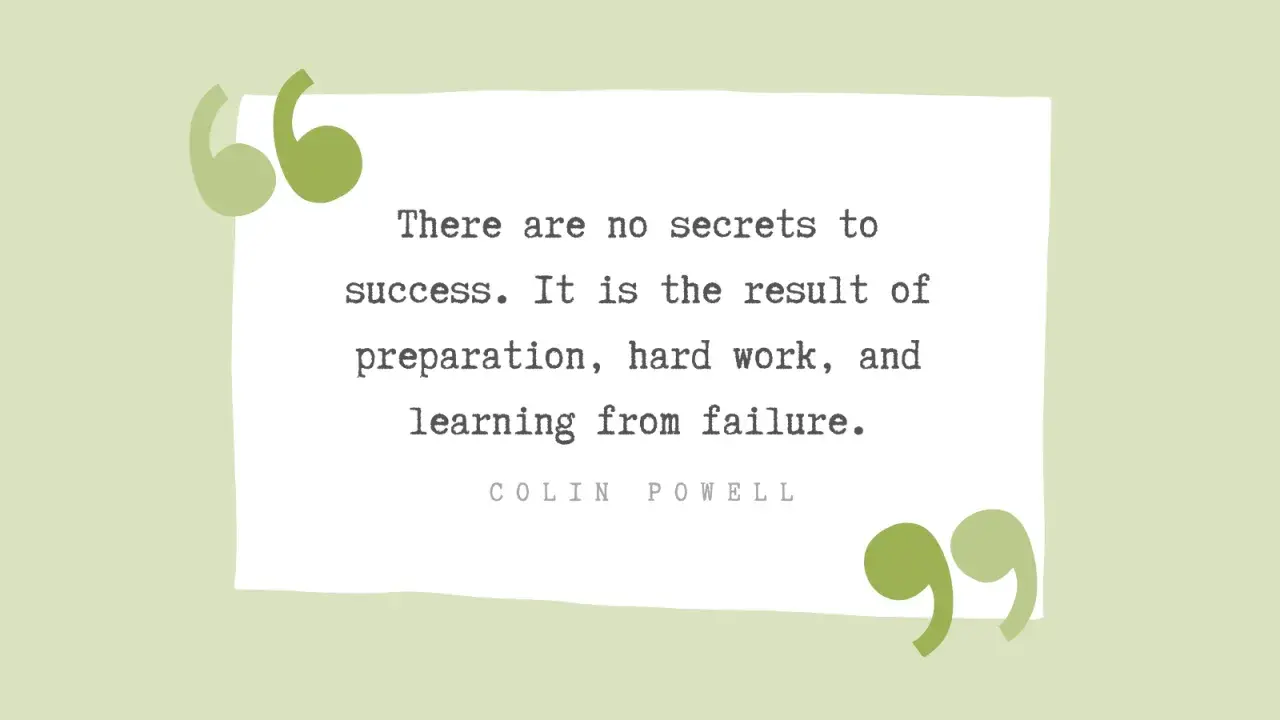
What matters most in a learning culture
- A healthy learning culture rewards improvement, not just polish.
- Psychological safety is the condition that lets people take risks and admit gaps.
- Managers shape the culture through daily feedback, stretch assignments, and how they respond to mistakes.
- Equitable access to learning opportunities matters as much as enthusiasm for learning.
- A 30-60-90 day rollout is enough to start changing habits if leaders stay consistent.
What a growth-minded workplace actually looks like
At work, growth means employees are expected to learn new skills, but they are also given the time, coaching, and room to practice. I would not call a team growth-minded if it only praises hustle or tells people to "be resilient" while leaving the system unchanged. Real development has structure: clear expectations, frequent feedback, visible learning goals, and leaders who admit they do not have every answer.SHRM describes organizational culture as the shared values, beliefs, and behaviors that shape how people work. That matters here because the mindset is never just individual; it shows up in meeting habits, promotion criteria, and how a team reacts when a project goes sideways.
A useful test is simple: do people become more capable over time because the organization is designed for development, or do only the most self-directed employees improve? If the answer depends on who already has access and confidence, the culture is not truly growth-oriented yet. Next, I look at why that difference matters for business results and inclusion.
Why it matters for performance and inclusion
The business case is stronger than many leaders assume. McKinsey notes that organizations that foster psychological safety are more likely to innovate quickly, unlock the benefits of diversity, and adapt well to change. In other words, learning culture is not a soft extra; it affects speed, risk-taking, and whether teams can use the full range of talent they already have.I also think this matters because a growth-focused culture lowers the cost of experimentation. When people are not afraid of being embarrassed for asking a question, they surface problems earlier, which is cheaper than fixing hidden mistakes later. That is especially important in the United States, where many teams work in hybrid or cross-state setups and cannot rely on hallway learning to transfer knowledge.
There is a retention angle too. SHRM reports that more than half of employees who rate their culture poorly are actively looking for another job or expect to soon. If people do not believe they can grow where they are, they leave or disengage. The next question is what leaders actually have to do to make the promise believable.
The leadership behaviors that make it real
When I audit culture work, I look first at leaders. Not because they own everything, but because people copy what leaders reward, tolerate, and repeat. The table below separates the behaviors that create momentum from the ones that look supportive on the surface but do not change much.
| Leadership behavior | What it looks like | Why it matters |
|---|---|---|
| Model learning | A manager says what they are still figuring out, asks for input, and follows up on it. | It lowers the status cost of learning and makes questions normal. |
| Give specific feedback | Feedback names the skill, the behavior, and the next rep, not just "good job" or "needs work." | People improve faster when they know what to repeat and what to change. |
| Reward progress | Promotions, recognition, and stretch work reflect growth, not only visible confidence or office politics. | It tells employees that development is real, not decorative. |
| Distribute opportunity fairly | High-visibility projects rotate instead of landing on the same insiders. | It prevents a narrow group from getting all the learning that leads to advancement. |
| Handle mistakes without theatrics | The team reviews what happened, what was learned, and what changes next time. | People stop hiding errors and start surfacing them earlier. |
The practical point is that culture is built less by speeches than by repeated managerial choices. If leaders praise curiosity but punish uncertainty, the message is obvious. If they say development matters but only promote the people who already look polished, employees notice that too. The next section turns those behaviors into a routine managers can actually use.

How managers build it day by day
This is the part most teams skip, and then they wonder why nothing changed. A learning culture is not created by one workshop; it is built through repeatable habits in meetings, one-to-ones, and performance reviews. I usually suggest a 30-60-90 day approach because it is concrete enough to act on without pretending culture shifts overnight.- First 30 days - define 2 to 3 skills the team is trying to strengthen, add a "what did we learn?" question to weekly meetings, and start naming one specific behavior you want repeated.
- Days 31 to 60 - rotate at least one stretch assignment, run short postmortems after projects, and make sure quieter employees are invited into the discussion, not just the loudest ones.
- Days 61 to 90 - update performance conversations so they include skill growth, visible examples of learning, and next-step goals that are more concrete than "keep improving."
I would also add three small habits that matter more than they sound like they should: ask every manager to describe one mistake they learned from this quarter, use one meeting per month to review a process instead of a person, and track who gets access to high-visibility work. That last piece is where inclusion and development meet. If opportunity stays concentrated, the culture will not feel growth-minded to everyone. From there, it becomes easier to measure whether the system is actually working.
How to know whether it is genuine
Culture is easy to talk about and harder to measure, so I look for behavior changes rather than slogans. A genuine growth-oriented environment usually shows up in five places:
- People ask questions earlier instead of waiting until they are stuck.
- Managers give feedback more than once a year.
- Internal mobility rises because people can move into bigger roles.
- Promotion data does not show one group repeatedly getting the best assignments.
- Teams can name recent experiments, lessons, and process changes without embarrassment.
If you want something more formal, run a quarterly pulse with three questions: "Do I know what skills I am expected to build?", "Do I get useful feedback often enough to improve?", and "Do I believe good ideas can come from anyone on the team?" The answers will tell you more than a glossy culture statement ever will. Next, I want to call out the mistakes that most often undermine all of this.
Common mistakes that quietly kill it
The biggest mistake is confusing encouragement with infrastructure. Telling people to learn more is cheap; giving them time, coaching, and fair access to practice is what changes outcomes. The second mistake is praising effort while ignoring results, which can turn into low standards dressed up as optimism.
- Rewarding only heroic outcomes teaches people to hide unfinished work until the last minute.
- Using "failure is good" too loosely makes avoidable mistakes sound noble.
- Leaving stretch work to informal networks keeps opportunity uneven.
- Running one-off training without manager follow-through creates a temporary bump, then no habit change.
- Calling everything a mindset problem can excuse broken processes, weak tools, or unclear roles.
I think this last point is the one leaders resist most. Mindset matters, but it never replaces structure. If a team lacks clarity, fair feedback, or enough capacity, no amount of inspirational language will compensate. That is why the final section is about protecting the systems that make learning durable.
What to protect so the culture lasts
To keep the culture from sliding back, protect three things: manager capability, transparent opportunity, and regular reflection. Manager capability means teaching leaders how to coach, not just how to review. Transparent opportunity means people can see how stretch projects, promotions, and learning budgets are assigned. Regular reflection means each team pauses often enough to ask whether the system is still helping people grow.
- Audit who gets coached, who gets promoted, and who gets the hardest work.
- Keep a small budget or calendar block for learning, or it will disappear under urgency.
- Review inclusion and development together, because people do not feel growth if access is uneven.
When those pieces are in place, the culture stops depending on a few enthusiastic managers and starts working as a system. That is the difference between a team that talks about growth and a team that actually gets better.
