
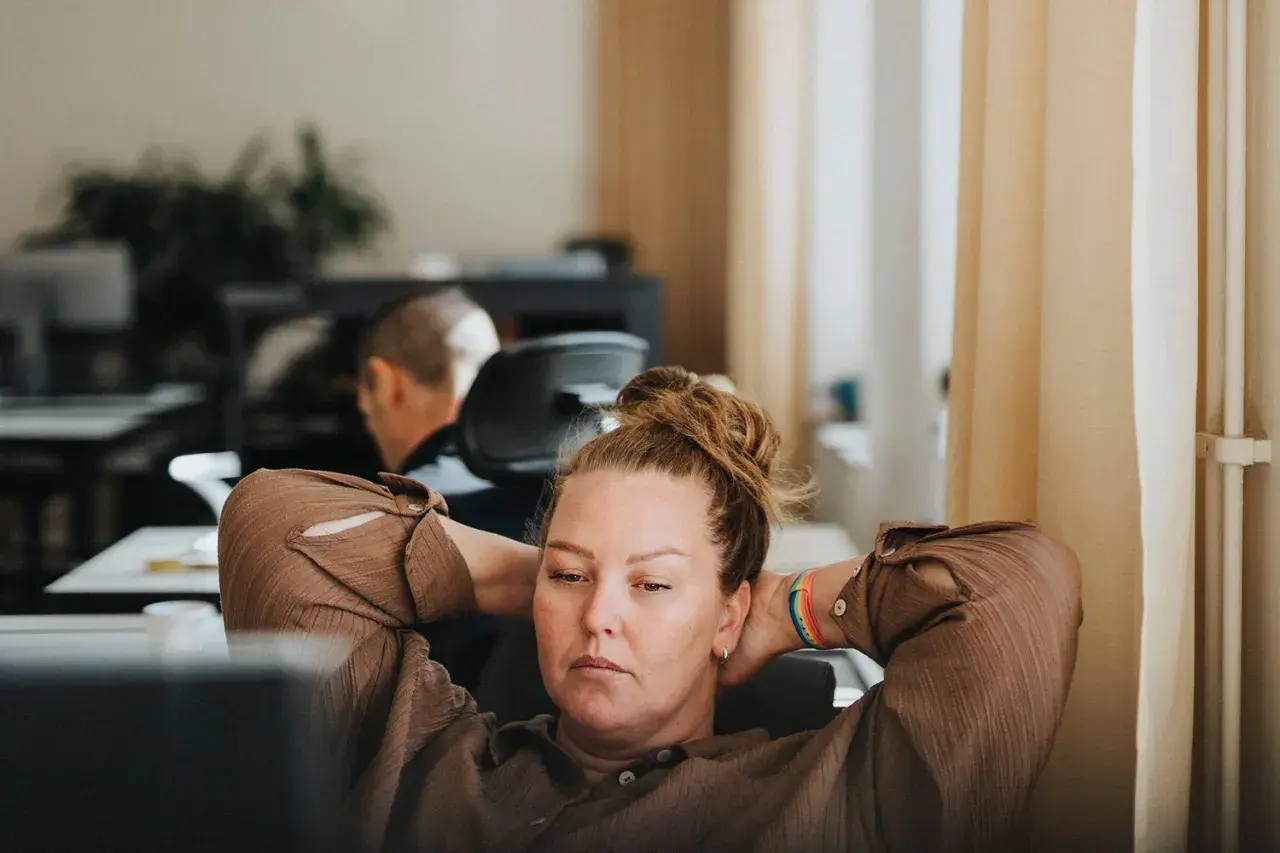
The short version of what matters most about presenteeism at work
- It means working while unwell, not simply being physically present.
- It is usually a workplace culture problem as much as an individual choice.
- It can reduce productivity more than a single sick day would.
- It often grows from fear, unclear norms, or uneven access to leave.
- Leaders reduce it by making recovery, flexibility, and boundaries normal.
What presenteeism really means
I usually separate presenteeism from simple attendance because the difference matters. Absenteeism is when someone is not there, while presenteeism is when they are there but not functioning at full capacity. That capacity can be physical, like a cold or migraine, or mental, like burnout, anxiety, or cognitive overload.
| Term | Core problem | What it looks like |
|---|---|---|
| Absenteeism | The person is missing from work | Work is delayed because the employee is out |
| Presenteeism | The person is present but impaired | They are slow, error-prone, distracted, or contagious |
The second is easier to miss because calendars still look full and cameras may still be on. That makes it especially important in hybrid teams, where a person can appear committed online while quietly underperforming or recovering too slowly. Once that distinction is clear, the more interesting question is why so many people feel pushed toward it.
Why workplace culture keeps people at their desks
In the U.S., the pressure is not evenly distributed. BLS reported that 80% of private industry workers had access to paid sick leave in 2025, but access still varied sharply by wage level: 61% in the lowest-paid quartile versus 95% in the highest. That gap matters because presenteeism is much harder to resist when missing a shift risks pay, status, or job security.
| Wage group | Access to paid sick leave in March 2025 |
|---|---|
| Lowest 25% | 61% |
| Second 25% | 84% |
| Third 25% | 91% |
| Highest 25% | 95% |
Even when leave exists, people still come in sick if the local culture treats absence as a moral failure. I have seen that pattern show up in teams where managers praise visible busyness, deadlines are set as if everyone is always at full capacity, and nobody wants to be first to admit they are not okay. When people feel safe being honest about capacity, they are less likely to hide illness. That is one reason inclusive leadership matters here, not as a slogan, but as a practical safeguard.
There is also a simple structural issue: some teams are too thinly staffed to absorb even one absence without chaos. In those environments, people do not come to work because they are especially loyal, they come because the system leaves them little room to do otherwise. That pressure has a price, and it is usually larger than the value of one missed morning.
The hidden costs that do not show up in attendance numbers
Presenteeism is expensive because the visible metric still looks fine. The real loss shows up in slower work, lower quality, more mistakes, and longer recovery times. I think of it as hidden overtime with a health tax attached.
For contagious illness, the cost goes beyond the person who is sick. CDC guidance for respiratory viruses is straightforward: stay home and away from others when symptoms are not better explained by another cause. That advice is not about caution for its own sake, it is about stopping a short illness from turning into a wider disruption.
- Productivity drops because the employee is working below normal capacity.
- Errors increase because focus, reaction time, and judgment are weaker.
- Recovery takes longer when rest is replaced by partial work.
- Team morale slips when people feel they must perform wellness.
- Public-facing roles carry risk when sick employees work around customers, patients, or clients.
This is why presenteeism is not just a personal health issue. It becomes a culture issue as soon as the team starts rewarding endurance over judgment. The next step is learning how to spot that pattern before it turns into the norm.

How to spot it before it becomes the norm
| Signal | What it usually means |
|---|---|
| People brag about never taking sick days | Attendance is being treated as a virtue on its own |
| Team members apologize for resting | The culture makes recovery feel selfish |
| The same people keep covering every gap | Workload is too concentrated or staffing is too thin |
| Output drops even when attendance stays high | Presence is being mistaken for performance |
| Managers model "sick but still online" behavior | Leaders are teaching people not to disconnect |
I look for patterns, not one-off bad days. One person pushing through a deadline is not the same as a culture where everyone feels they must do it. The warning sign is repetition, especially when the team starts to treat unwell people as admirable simply because they stayed visible. Once that happens, the manager sets the tone whether they mean to or not.
What managers can change without lowering standards
Managers do not have to choose between caring and performance. In practice, the strongest teams are usually the ones that make recovery normal and expectations clear. I would start with five moves.
- Say what counts as a valid sick day. If people have to guess, they will default to showing up.
- Build coverage into the work. Cross-train, document handoffs, and avoid single points of failure.
- Measure output, not performance theater. If hours spent online matter more than quality, presenteeism will rise.
- Model the behavior you want. If a manager works while sick and announces it proudly, the team reads that as policy.
- Respond consistently. People notice when one employee gets empathy and another gets suspicion.
I also think it helps to be blunt about fragility. If a team cannot absorb a one-day absence without falling apart, the staffing model is the problem, not the employee who stayed home. That is the point where leadership needs to redesign the system instead of praising people for enduring it. From there, employees still need a way to make the right call without having to decode the culture every morning.
What employees can do when they are unwell
I use a simple test: can I work without making recovery slower or the work worse? If the answer is no, I stop trying to prove resilience. For contagious respiratory symptoms, the safer choice is to stay home and away from others. For fever, vomiting, diarrhea, severe dizziness, or a mental health crisis, I do not think "pushing through" is a responsible default.
- Tell your manager what is affected, not just that you feel bad.
- List what can wait and what needs handoff.
- If you are able to do limited remote work, cap it with a stop time.
- Use sick time for recovery before the illness gets worse.
- Do not confuse guilt with necessity, they are not the same thing.
Remote work can hide presenteeism because the laptop stays open even when the body should be offline. I do not think every bit of work while unwell is automatically wrong, especially if the issue is mild, non-contagious, and the tasks are low-stakes. The problem starts when "staying productive" becomes a habit that delays recovery or raises risk for everyone else. That is why the healthiest workplaces make rest feel normal, not exceptional.
Healthy cultures make recovery normal
The best workplaces do not celebrate people for being the last ones standing while they are ill. They make it easy to say, "I am not at full capacity, and I need to recover." That may sound modest, but it changes the quality of work, the tone of leadership, and the level of trust inside the team.
If I had to reduce the whole topic to one line, it would be this: presenteeism is a culture signal. When it shows up often, I look first at workload, staffing, manager behavior, and leave design, then at individual discipline. Teams usually get the behavior they make safest to repeat. A workplace culture that supports recovery does not lower standards, it makes standards sustainable.
