
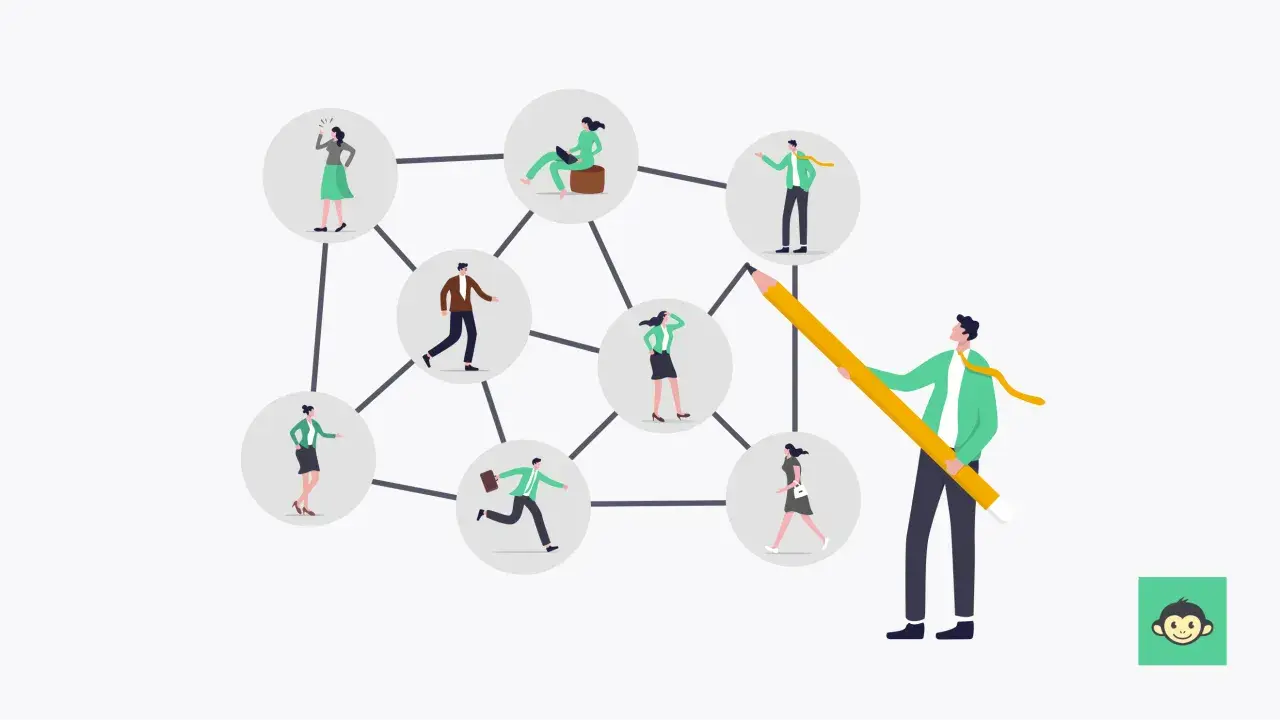
Shaping culture is not about slogans or perks; it is about the habits that people repeat, the behaviors leaders reward, and the decisions that feel normal inside a team. In U.S. workplaces, that matters because employees now expect speed, flexibility, fairness, and clear accountability at the same time. I’ll break down what culture really is, why managers carry so much of it, how inclusive leadership changes day-to-day behavior, and what a practical culture-change plan looks like.
What matters most when a workplace culture starts to shift
- Culture shows up in repeated behavior, not in mission statements alone.
- Managers shape the daily experience more than most leaders realize.
- Inclusive leadership works because it changes how people are heard, hired, promoted, and coached.
- Systems either reinforce the stated values or quietly cancel them.
- Progress is measurable when you track behavior, not only sentiment.
What culture really means at work
I like to define workplace culture in a very practical way: it is the pattern people can predict when no one is watching. If a team knows who gets interrupted, how mistakes are handled, what gets praised, and which issues are too risky to raise, that is culture in action. It is not the poster in the lobby or the language in the handbook.
Strong culture usually shows up in a few concrete places. You can see it in how meetings run, how onboarding works, how performance is discussed, and how leaders respond when pressure rises. In U.S. organizations, people often compare notes quickly, so inconsistency becomes visible fast. That is why perks can help morale, but they do not define the culture.
When I audit culture, I look for five building blocks: leadership and communication, values and rituals, hiring and onboarding, team structure, and performance management. If those pieces point in different directions, employees feel the gap immediately. Once that is clear, the next question is who actually carries the culture from one day to the next.
Why managers are the real culture carriers
I usually start with the manager layer because that is where culture becomes real. Gallup estimates managers account for 70% of the variance in team-level engagement, and its 2026 State of the Global Workplace report put global engagement at 20% in 2025; that is a blunt reminder that culture is lived through daily supervision, not annual speeches. If managers reward candor, share context, and handle mistakes fairly, the team feels one way. If they improvise standards or play favorites, people learn that too.
This is especially important in hybrid and distributed teams, where people experience the organization through their direct manager more than through central policy. A manager shapes the tone of work by answering a few ordinary questions:
- How often do we give feedback?
- Do we explain decisions or just announce them?
- Can someone disagree without getting labeled difficult?
- Are expectations the same for everyone, or do they depend on who asks?
- Do we measure results only, or results plus behavior?
I think this is where shaping culture stops being abstract and becomes a daily management job. The organization may set the direction, but managers decide whether that direction is believable.

What inclusive leadership looks like in practice
I do not treat inclusive leadership as a soft skill. It is a set of visible habits that decide who gets heard, how risk is handled, and whether people believe the rules are fair. Deloitte’s inclusive leadership model is useful because it turns the idea into behaviors you can actually observe.
| Trait | What I look for | What it changes |
|---|---|---|
| Commitment | Leaders make inclusion part of goals, time, and budgets | People stop seeing it as optional |
| Courage | Leaders challenge biased norms and uncomfortable habits | Unhelpful patterns can be named early |
| Bias awareness | Decisions are structured and checked for blind spots | Less favoritism, more trust |
| Curiosity | Leaders ask how different people experience the same process | Better decisions and fewer blind spots |
| Cultural intelligence | Communication adapts across backgrounds and working styles | Fewer avoidable misunderstandings |
| Collaboration | Leaders share credit and invite input before deciding | More ownership and better execution |
In practice, I watch for simple proof points. Who speaks first in a meeting? Who gets asked to repeat themselves? Is disagreement treated as useful data, or as disloyalty? Do leaders explain a decision clearly enough that people can repeat the logic in their own words? Those small signals tell employees whether inclusion is real or just branded language. Once those behaviors are visible, the systems around them either reinforce them or quietly undo them.
The systems that either reinforce or cancel the message
The fastest way to weaken a strong message is to leave the operating system untouched. If hiring, onboarding, meetings, feedback, and promotion still run on old habits, people will believe the old habits, not the new values. That is why I focus on the places where culture meets process.
| System | Healthy signal | Weak signal |
|---|---|---|
| Hiring | Structured interviews and clear criteria | Vague “fit” judgments and clone hiring |
| Onboarding | Real examples of expected behavior | New hires are left to guess the rules |
| Meetings | Agendas, turn-taking, and documented decisions | The loudest voice wins |
| Feedback | Regular, specific coaching | Surprises at review time |
| Promotion and pay | Written criteria and calibration | Invisible standards and gatekeeping |
| Flexibility and workload | Outcome-based rules and consistent norms | Different rules for different people |
This is where many culture efforts lose credibility. Leaders announce values, but the operating model still rewards speed over fairness, charisma over clarity, or loyalty over good judgment. If people have to decode the unwritten rules every time they switch teams, the culture is not stable enough yet.
How to measure progress without relying on vibes
A culture dashboard should combine numbers and stories. I want data that tells me whether the experience is improving, and I want lived feedback that explains why. One survey score is not enough, because it can hide uneven experiences across teams or levels.
These are the measures I trust most:
- Pulse surveys every 6 to 8 weeks to track trend lines, not just annual sentiment.
- Stay interviews and exit interviews every month or quarter to catch recurring themes.
- Promotion and internal mobility checks every 6 months to see whether opportunity is spreading or narrowing.
- Meeting participation spot checks each month to see whether a few voices dominate.
- Pay and performance calibration at least annually to test whether standards are consistent.
- Team-by-team turnover reviews each quarter to spot hidden pressure points.
I also pay attention to what people say when the numbers are not in the room. Do they know how decisions are made? Can they name the behaviors that are rewarded? Do they trust that complaints will be handled without retaliation? If the answer is no, the culture is still more fragile than the dashboard suggests. Once measurement is clear, the next step is sequencing the change so it actually sticks.
A 90-day plan for changing the tone of a team
If I had to reset a team culture quickly, I would not start with a grand campaign. I would start with a short, disciplined sequence that makes expectations visible and repeatable.
- Days 1 to 30 audit the current experience. Review turnover, onboarding, meeting norms, promotion criteria, and the stories people tell in 1:1 conversations. Pick three behaviors to stop, start, and continue so the work stays focused.
- Days 31 to 60 reset expectations. Train managers on feedback, inclusive meetings, and decision transparency. Rewrite team norms so they are specific enough to use on a busy day, not just in a workshop.
- Days 61 to 90 reinforce the new standard. Tie recognition, reviews, and promotions to the behaviors you want repeated. Publish what is changing, what is still under review, and where the gaps remain.
I would rather see three behaviors enforced consistently for 90 days than a broad launch that nobody can remember. Culture moves when the same message appears in meetings, metrics, and promotions. If that does not happen, the change effort usually gets diluted by familiar mistakes.
The mistakes that quietly break culture change
Most culture work fails in predictable ways, and I think it helps to name them plainly.
- Using values slides as if language alone can change behavior.
- Expecting HR to fix what leaders and managers model every day.
- Training people once and assuming habits will hold without reinforcement.
- Rewarding output while ignoring how the output was achieved.
- Using “culture fit” as a shortcut for similarity.
- Changing perks without changing decision rules.
- Launching too many priorities at once, so none of them get traction.
The fix is usually smaller than people expect: fewer priorities, clearer standards, and visible follow-through. If the team can explain the rules, see the rules applied consistently, and trust that exceptions are rare, the culture starts to stabilize. From there, the real test is whether the change survives pressure.
The signals that tell me the culture is actually moving
When a culture is improving, people notice it before the leadership deck does. I look for a few signals that are hard to fake for long.
- People raise concerns earlier instead of waiting until they are frustrated.
- Quiet employees contribute because the room makes space for them.
- Managers use similar standards across teams instead of improvising them.
- Promotions and pay are easier to explain because the criteria are visible.
- Meetings end with clear decisions, owners, and follow-up.
- Employees can describe what good performance looks like without guessing.
I look for consistency first. If the tone changes for one quarter and then slides back as soon as attention moves elsewhere, nothing really changed. Real progress is when the new behavior survives busy weeks, turnover, and pressure, because that is when workplace culture proves it has actually been rebuilt.
