
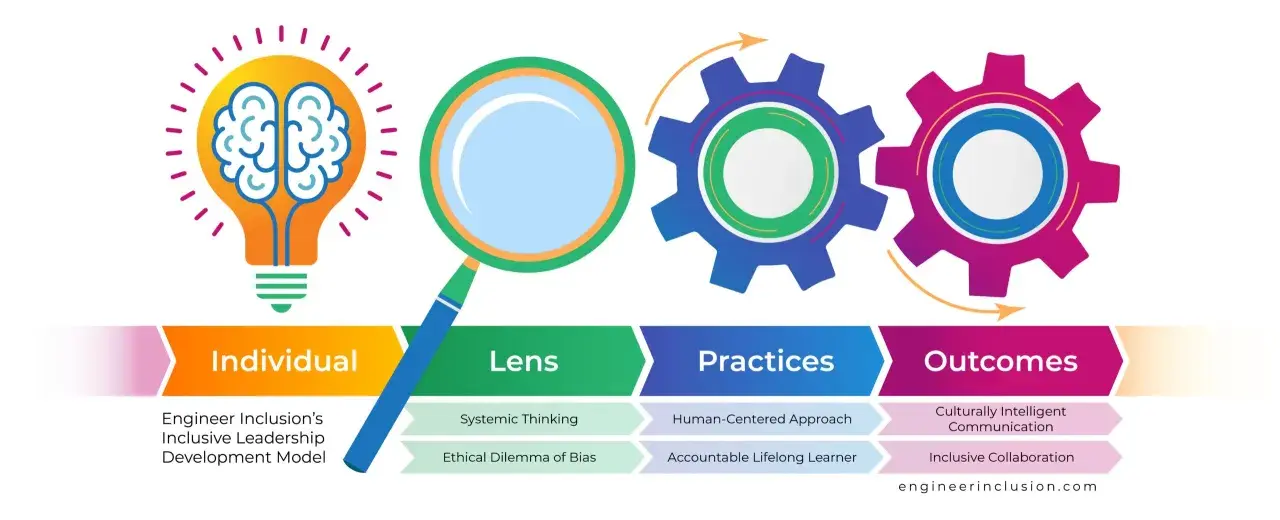
Effective CEO training and development is less about teaching a senior leader more jargon and more about sharpening judgment, trust, and the ability to make hard decisions under pressure. The best programs combine strategy, board communication, self-awareness, and inclusive leadership, because those are the areas where CEO mistakes become expensive fast. For US organizations in 2026, the real question is not whether development matters, but which mix of coaching, executive education, and on-the-job practice will actually change behavior.
The strongest CEO programs build judgment, alignment, and inclusive leadership
- Start with a real business problem. The best learning plan targets a live challenge, not a generic leadership syllabus.
- Use more than one format. Coaching, peer learning, and stretch assignments reinforce each other better than a single workshop.
- Keep the board involved. A CEO develops faster when expectations, feedback, and accountability are aligned.
- Make inclusion operational. Inclusive habits should show up in meetings, talent decisions, and succession planning.
- Measure progress early. Check behavior at 30, 90, and 180 days instead of waiting for annual reviews.
What the role actually demands from a CEO
I usually start here because too many development plans still treat the chief executive like a better-trained general manager. That is the wrong model. The CEO role is built around ambiguity, tradeoffs, and the need to shape an organization through decisions that other people will remember long after the meeting ends.
In practice, the job asks for a very specific mix of capabilities:
- Strategic judgment. A CEO has to decide where the company should go, where it should not go, and what the organization can realistically sustain.
- Board and stakeholder communication. Clarity matters more than polish. The leader has to explain risk, progress, and tradeoffs without hiding behind vague optimism.
- Senior team design. The CEO is responsible for building a team that can debate hard issues without turning the company into a collection of silos.
- Culture shaping. People study what the top leader rewards, tolerates, and repeats. Culture follows patterns, not slogans.
- Inclusive leadership. If the room only reflects the loudest voices, the organization loses information, creativity, and trust.
- Personal operating rhythm. Energy, focus, and decision discipline are part of the role. Burnout at the top rarely stays personal for long.
That is why I think CEO development works best when it is built around decisions and consequences, not abstract leadership language. Once the gaps are visible, the learning format becomes much easier to choose.

The formats that change behavior
Most organizations do better when they stop asking which single program is “best” and start asking which format solves the actual problem. Some formats create perspective, some create accountability, and some create repetition. You need all three if you want the change to stick.
| Format | Best use | Typical cadence | Main strength | Common limitation |
|---|---|---|---|---|
| Executive coaching | Changing a visible habit, communication pattern, or leadership blind spot | 3 to 6 months for focused work; 6 to 12 months for deeper change | Private, personalized, and highly accountable | Can drift if it is not tied to a real business priority |
| Cohort executive education | Broadening perspective and pressure-testing assumptions with peers | Several intensive days or modules over 4 to 12 weeks | Fast exposure to ideas and strong peer comparison | Insight fades quickly if follow-through is weak |
| 360 feedback plus action plan | Finding blind spots and creating a credible baseline | Baseline review, then a 90-day follow-up | Gives the CEO a concrete starting point | Only works if the feedback is honest and acted on |
| Action learning projects | Practicing leadership on a live business issue | One quarter or longer | Immediate application to real work | Needs sponsorship, time, and clear ownership |
| Peer advisory group | Reducing isolation and testing judgment in a safe setting | Monthly or quarterly | Lets the CEO compare notes with other leaders honestly | Only valuable if the group stays disciplined and specific |
If I had to choose one backbone for a new CEO, I would start with a 30-60-90 day plan and then layer coaching and peer feedback on top of it. The numbers are simple for a reason: they keep the work from turning into a vague promise.
How I would design a CEO development plan
A useful plan is narrow at first. I would not try to fix seven leadership weaknesses at once. I would choose two or three outcomes that matter to the business, then connect each one to a specific behavior the CEO can practice in real meetings.
- Diagnose the current gap. Use stakeholder interviews, board input, and a 360 review to understand where trust, clarity, or execution is breaking down.
- Link development to business goals. If the company needs faster execution, the plan should target decision speed and delegation. If it needs a culture reset, focus on communication and accountability.
- Define observable behavior. “Be a better leader” is too vague. “Invite dissent before closing a decision” is usable.
- Set short checkpoints. I prefer 30-day, 90-day, and 180-day reviews because they keep momentum visible.
- Assign support roles. The board, coach, and chief of staff should know who owns what. Otherwise the CEO gets mixed signals.
- Reassess and adjust. Development is iterative. A plan that does not change after the first quarter is usually too generic.
In the US market, this also matters because CEOs are being pushed to lead through AI adoption, hybrid work, and tighter expectations around accountability. That combination rewards leaders who can stay strategic without becoming detached. It also leads directly to the question of how inclusive leadership fits into the picture.
Where inclusive leadership belongs in the curriculum
For me, inclusion is not a side topic in CEO development. It is part of the operating system. A leader who cannot create room for different perspectives will eventually make weaker decisions, because the organization will filter out disagreement before it reaches the top.
Inclusive leadership does not mean lowering standards or avoiding hard calls. It means making sure the company gets the full value of its people. In practice, that shows up in a few visible behaviors:
- Meeting design. The CEO invites quieter voices in early, not after the decision has already hardened.
- Decision transparency. People should understand how choices are made, especially when tradeoffs are uncomfortable.
- Talent reviews. Promotion and succession conversations should be based on evidence, not familiarity.
- Sponsorship. High-potential employees need visible advocates, not just encouragement in private.
- Bias interruption. The leader has to notice patterns in who gets interrupted, who gets stretch work, and whose mistakes are forgiven.
One term I use often here is psychological safety, which simply means people can raise problems, challenge assumptions, and admit mistakes without being punished for speaking up. Without that, diversity becomes cosmetic. With it, the CEO gets better information and a healthier culture at the same time.
That is especially relevant for organizations that want inclusive leadership to be more than a values statement. It has to show up in how the CEO listens, decides, and distributes opportunity.
Common mistakes that waste time and money
I see the same failures repeat because organizations often buy prestige instead of change. A respected university program or a polished coach can still miss the mark if the engagement is not built around the CEO’s actual environment.
- Using a generic curriculum. A CEO does not need a refresher on basic management theory. They need targeted work on the problems that are slowing the business.
- Skipping the board. If the board does not agree on the purpose of the development plan, accountability gets messy very quickly.
- Confusing insight with progress. Good conversations are useful, but they are not proof that behavior changed.
- Focusing only on charisma. Presence matters, but decision quality, talent depth, and operating discipline matter more.
- Leaving inclusion out of the plan. If the CEO never changes how meetings, promotions, and feedback work, culture will not improve in a lasting way.
- Waiting too long to review results. A six-month delay to check whether the program worked is usually too slow.
The biggest mistake, in my view, is treating development as a discreet event instead of a management system. If there is no follow-up, it becomes an expensive pause rather than a performance lever.
How to measure whether the program is working
Measurement should be practical. I would not rely on one survey score or a vague feeling that the CEO seems “more confident.” The real question is whether the leader is making better decisions, building better trust, and moving the organization faster.
| Time frame | What to measure | What improvement looks like |
|---|---|---|
| 30 days | Clarity of priorities, quality of meetings, early feedback from key stakeholders | Cleaner agendas, fewer repeated decisions, less confusion about direction |
| 90 days | Delegation quality, communication habits, inclusion in discussion | More voices in the room, faster follow-through, fewer bottlenecks at the top |
| 180 days | Team stability, retention, succession depth, execution against strategic goals | Stronger bench strength and better movement on the priorities that matter |
There is one simple rule I trust here: early signals should appear in behavior before they appear in financial results. If the CEO is communicating more clearly, listening better, and delegating more cleanly, the business metrics usually follow later.
That is also why quarterly check-ins matter. They keep the work honest and prevent everyone from pretending that good intentions are enough.
What I would prioritize if the CEO only has 90 days
If time is short, I would keep the plan brutally focused. First, gather a small set of stakeholder interviews and a baseline review so you know what is actually happening. Second, choose one visible leadership behavior to change, such as how the CEO runs meetings, handles disagreement, or delegates decisions. Third, test that change in real board and team settings, then compare the feedback after 90 days.
That sequence works because it connects self-awareness to lived behavior. It also keeps the leader from hiding in theory. In my experience, the best programs for chief executives do not try to make them more “informed” in the abstract. They make them more decisive, more trustworthy, and more inclusive in the moments that shape the company.
That is the practical version of leadership development at the top: fewer slogans, more judgment, and a visible commitment to building a workplace where performance and inclusion reinforce each other.