
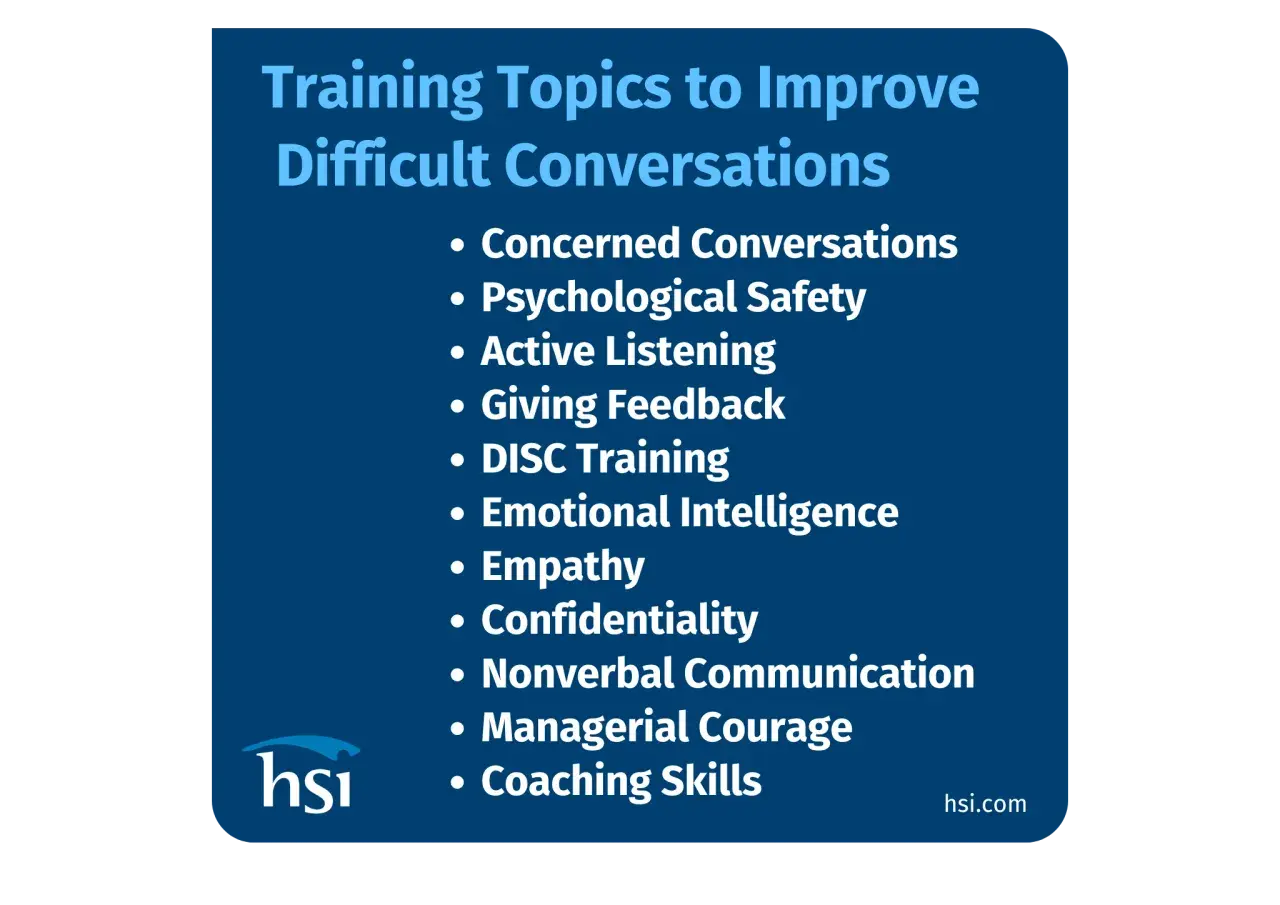
Learning how to have difficult conversations is mostly about structure, timing, and restraint. In inclusive workplaces, the best talks are honest without becoming punitive, and clear without becoming cold. I’ll walk through how I prepare, open, steer, and close these conversations so they actually solve something instead of leaving everyone more guarded.
The practical essentials to keep in mind before you start
- Define the real problem before you speak; vague goals make tense talks drift fast.
- Prepare facts, a desired outcome, and a calm opening line before the meeting starts.
- Use a direct but low-friction opening, then ask for the other person’s view early.
- Focus on observed behavior and impact, not guesses about motive.
- When identity, bias, or power are involved, slow down and be more precise, not more vague.
- If the issue is repeated, unsafe, or tied to harassment, escalation may be the right next step.
Start by naming the real problem
Before I say anything, I ask myself what kind of conversation this really is. Is this about performance, a broken boundary, a misunderstanding, or a pattern of behavior that is starting to damage trust? The answer changes everything, because a feedback conversation needs a different shape than a repair conversation, and both are different from a boundary-setting talk.
I also try to finish one sentence: "By the end of this talk, I want ____." If I cannot complete that sentence, I am usually not ready yet. I may need more facts, a clearer decision, or a better sense of what would count as a fair resolution. That short pause saves me from turning the conversation into a vent session, which feels productive for about ten minutes and useful for far less time.
I think about these talks in three layers: what happened, how it felt, and what it means for the relationship or role. If I ignore one of those layers, the conversation usually comes back in a worse shape later. Once the goal is clear, I can prepare the details that make the conversation steady instead of improvised.
Prepare more than your opening line
I do not walk into a hard conversation with only a good opener. I prepare the facts, the outcome I need, and the reactions I can reasonably expect. That sounds basic, but it changes the quality of the talk because I am less likely to get pulled into side debates or emotional guesswork.
| What I prepare | Why it matters |
|---|---|
| The facts I can point to | Keeps the talk grounded in observable events instead of memory fog or assumption. |
| The outcome I want | Prevents the conversation from drifting into general frustration with no decision attached. |
| The likely reaction | Helps me stay calm when the other person gets defensive, quiet, or emotional. |
| The boundary or next step | Makes it clear whether I need a behavior change, a repair, or a formal escalation. |
I also decide what I am not willing to negotiate. That is especially important in workplace settings, where "let’s just move on" can become a shortcut around accountability. If the issue touches deadlines, disrespect, bias, or repeated missed commitments, I want to know in advance whether I am asking for a behavior change, a repair, or a formal escalation. I also avoid trying to settle meaningful conflict by text; messages are useful for scheduling, but they are a poor tool for repair. With that in place, the opening line becomes much easier to say.
Open in a way that lowers resistance
The opening line matters, but not because it has to be perfect. It matters because it tells the other person whether this is a trap, a lecture, or a genuine attempt to solve something. I prefer openings that are specific, calm, and brief. The more I over-explain at the start, the more likely I am to sound defensive before the other person has even responded.
In hybrid and remote work, this matters even more. Tone gets flattened fast in chat, and a short message can sound harsher than intended. If the topic is loaded, I move it to a live conversation and use the message only to set the meeting. The best openings also sound like they could come from a neutral third person, not from someone building a case.
| Try saying | Instead of saying | Why it works better |
|---|---|---|
| "I want to talk about the missed handoff so we can fix the process." | "We need to talk." | Specific, not ominous, and focused on a solvable issue. |
| "I noticed the tone in your last email thread felt sharp." | "You were rude." | Names behavior instead of attacking character. |
| "I’d like to understand your side before I suggest a next step." | "You need to explain yourself." | Signals curiosity instead of accusation. |
The pattern I use is simple: state the topic, explain the impact, and invite the other perspective. For example, "I want to talk about the missed deadline because it affected the client handoff. I’d like to understand what got in the way and what needs to change." That is direct without being theatrical, and it keeps the other person in the conversation instead of pushing them into self-protection. From there, the next skill is staying steady when the emotional temperature rises.
Keep the discussion productive when emotions rise
Even well-prepared conversations wobble once feelings show up. I expect that, and I do not treat it as failure. The goal is not to remove emotion; the goal is to keep emotion from becoming the only thing in the room.
- Ask one question at a time. Multi-part questions sound efficient, but they usually feel like cross-examination.
- Separate fact from interpretation. "You ignored me" is not the same as "You did not answer my message for two days."
- Reflect back before responding. A short summary such as "What I’m hearing is that the deadline changed and you felt blindsided" lowers tension fast.
- Use a pause on purpose. A few seconds of silence can do more good than a rushed explanation.
- Return to the request. Once the emotion has been acknowledged, go back to the specific change you need.
A tool I use often is "name, check, move." I name the concern, check whether I understood the response correctly, and then move toward the next step. That rhythm keeps the exchange from spiraling into a vague argument about who feels worse. It also helps the other person save face, which matters more than many leaders admit.
When the tone starts to harden, I remind myself that I am not trying to win an exchange; I am trying to repair the working relationship enough to make progress. That discipline matters even more when identity or power are part of the conversation.
Handle power, identity, and bias with precision
This is the part of difficult conversations that gets mishandled most often in inclusive workplaces. If the issue touches race, gender, age, disability, accent, seniority, or another identity-linked experience, I slow down and become more exact. People with less power often spend extra energy managing everyone else’s comfort, and I do not want the conversation to reproduce that imbalance.
I work with the difference between intent and impact. Intent is what someone says they meant. Impact is what actually happened. Both matter, but impact is the part that tells us whether the behavior needs to change. In practical terms, I care less about whether a speaker feels misunderstood and more about whether the other person was actually harmed or excluded.
When I am the one delivering the feedback, I keep it private when I can, because public correction can turn a repair conversation into a status contest. When I am the one receiving it, I try to listen without rushing to explain myself. If I caused harm, the cleanest move is a direct apology, a clear acknowledgment of the impact, and a specific change in behavior. That is far more credible than a long defense of what I meant.
- Describe the behavior, not the person’s character.
- Avoid asking someone to educate you on their identity in the middle of a conflict.
- Be specific about the line that was crossed instead of hiding behind "professionalism."
- If the same issue keeps repeating, treat it as a pattern, not a misunderstanding.
Psychological safety matters here, because people speak more honestly when they believe they can name a problem without being embarrassed or punished. That does not mean every comment gets a soft landing. It means I want truth-telling to be possible, because a workplace cannot be inclusive if only the safest voices are heard. From there, the next question is whether the issue belongs in the room at all, or whether it needs a different channel.
Know when to pause, escalate, or bring in a third party
Not every hard conversation should stay one-on-one. If the issue involves harassment, threats, retaliation, repeated discrimination, or a pattern that has already been addressed multiple times, I stop pretending a simple chat will fix it. In those cases, escalation is not overreacting; it is using the right process.
- The behavior is repeated after a clear request to stop.
- The other person has more power and is using it to shut down the conversation.
- The facts are disputed enough that a neutral third party would help.
- The subject involves policy, legal risk, or formal accountability.
- You no longer feel safe staying in the conversation.
I also think it is a mistake to wait until frustration has turned into resentment before asking for help. By then, people usually speak less clearly and listen less generously. A manager, HR partner, mediator, or trusted leader can help reset the frame, document the issue, or simply make sure the discussion does not slide into a power game. The conversation is still important, but sometimes the best move is to change the container before you try to change the content.
Once that decision is made, the follow-through becomes the part that determines whether the talk actually mattered.
The follow-through that makes the conversation count
The talk is not finished when the room goes quiet. I always write down the agreed action, the deadline, and the next check-in. That small habit prevents the post-conversation amnesia that turns clear agreements into vague intentions.
- Send a short recap within 24 hours.
- Include the agreed action, owner, and deadline.
- State what you will do if the plan stalls.
- Schedule the follow-up before you close the thread.
A simple note is enough: "Thanks for the conversation today. We agreed on X by Friday, and I’ll check in next Tuesday to review progress." If the topic was sensitive, I keep the note factual and brief. I am not trying to win the postscript, only to preserve clarity.
That is usually where the real change begins. The conversation matters, but the follow-through is what teaches people that the issue is real and the expectation is durable.
