
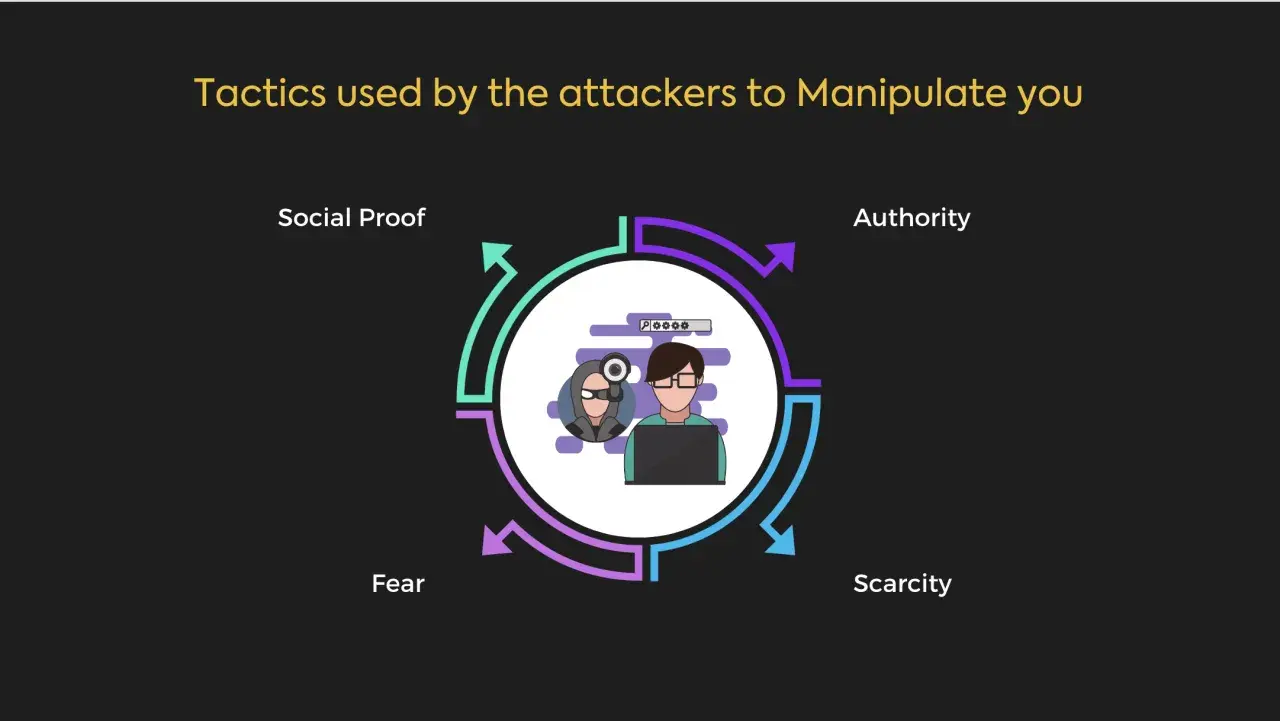
Manipulative communication rarely starts with open hostility. More often, it shows up as selective facts, shifting stories, guilt, silence, or pressure that pushes people to agree before they have time to think. Understanding the main types of manipulation helps you separate honest persuasion from control tactics, especially in workplaces where hierarchy and ambiguity can hide what is really happening.
Key points at a glance
- Manipulation in communication is about control, not just influence.
- The most common tactics include gaslighting, guilt-tripping, blame shifting, stonewalling, triangulation, and passive-aggressive messaging.
- One awkward conversation is not the same as a pattern, so repetition matters.
- Workplace pressure, hierarchy, and weak documentation make these tactics easier to use.
- The best response is to slow the pace, anchor the discussion in facts, and keep a written record.
- Inclusive leadership reduces manipulation by making expectations visible and psychologically safe.
How communication turns manipulative
I separate persuasion from manipulation with one simple question: is this person trying to inform me, or corner me? Persuasion explains, gives room for questions, and accepts a fair no. Manipulative communication does the opposite. It hides motive, distorts context, and uses emotion, status, or uncertainty to narrow your options.
That is why a blunt message is not automatically manipulative, and a polite message is not automatically harmless. The issue is the structure of the exchange. If the other person keeps moving the goalposts, rewriting history, or making you feel guilty for asking for clarity, the conversation is no longer just about the topic on the table. Once you can see that difference, the tactics themselves are easier to name.

The tactics you are most likely to see
In practice, I group the most common tactics by the way they distort communication. The table below is useful because it shows what the behavior sounds like, why it works, and what it tends to do to the target.
| Tactic | What it sounds like | Why it works | Better response |
|---|---|---|---|
| Gaslighting | “That never happened.” | Makes you doubt your memory or judgment. | Ask for the written record and stick to facts. |
| Guilt-tripping | “After everything I’ve done for you.” | Turns obligation into pressure. | Acknowledge the feeling, not the demand. |
| Blame shifting | “This happened because of you.” | Moves accountability away from the speaker. | Re-center the decision, action, or evidence. |
| Stonewalling | Silence, delay, refusal to answer. | Drains energy and blocks resolution. | Set a deadline and move the issue into writing. |
| Triangulation | “Everyone else agrees with me.” | Creates social pressure and isolation. | Ask who exactly is involved and bring the issue back to the direct conversation. |
| Passive-aggressive messaging | “Fine, whatever you want.” | Hides hostility behind surface politeness. | Ask for a direct answer to the real issue. |
| DARVO | Deny, attack, then reverse victim and offender. | Rewrites the conflict so the manipulator looks harmed. | Do not chase the reversal, return to the original claim. |
| Withholding information | Leaving out key context or changing criteria later. | Leaves you underprepared and off balance. | Confirm scope, deadlines, and success criteria up front. |
The list is most useful when you notice repetition. One tense exchange may just be bad communication. A pattern that repeatedly benefits one person while confusing everyone else is something else entirely. Knowing the labels helps, but the pattern behind them matters more. That is where the workplace context starts to matter.
Why these tactics work so well in teams
Manipulation thrives in environments where people are busy, unsure, or afraid to be seen as difficult. In a team, that often means someone can get away with a distorted story because no one wants to slow the meeting down, ask for proof, or challenge a senior voice in the room. Hierarchy gives the tactic extra force, and hybrid work can make it easier to hide in side channels, private messages, and selective follow-up calls.
Harvard Business Review describes psychological safety as the belief that you can speak up without risk of punishment or humiliation. Manipulative communication thrives when that belief is weak, because people start editing themselves before anyone even asks them to. A manipulator rarely needs everyone to agree; they only need enough people to hesitate. That is why early recognition matters so much.
How to spot the pattern early
I look for repeated signals, not just one uncomfortable moment. If several of these show up together, I treat the conversation as potentially manipulative:
- You leave the conversation more confused than when you entered it.
- The story changes depending on who is in the room.
- Requests for specifics are treated like hostility.
- You are pushed to answer before you can verify the facts.
- Important decisions happen in side conversations instead of transparent channels.
- You are encouraged to trust someone’s memory over a written record.
Another useful test is emotional: do you feel informed after the exchange, or merely managed? If you repeatedly feel foggy, defensive, or rushed, pay attention. The next step is not to panic. It is to respond in a way that does not hand the other person more leverage.
How to respond without giving the tactic more power
When manipulation shows up, I usually recommend slowing the pace. Fast reactions help the other person keep control. A calm, factual response does the opposite. The goal is not to “win” the argument in the moment. The goal is to prevent the conversation from becoming a fog machine.
- Restate the issue in plain language. Use the facts you can verify, not the emotion they want to provoke.
- Ask for specifics in writing. This is especially useful when the story keeps changing.
- Refuse false urgency. A rushed decision is often the point of the tactic.
- Set a boundary around tone and process. For example, “I can continue when we have the details in writing.”
- Escalate when needed. If the pattern continues, bring records, dates, and names to a manager, HR partner, or trusted leader.
I also prefer short phrases that stay neutral: “Please send that in writing,” “I want to make sure I have the sequence right,” or “Let’s separate the facts from interpretation.” Those lines do not escalate the conflict, but they do force the conversation back into daylight. Once that happens, the issue shifts from defense to design, which is where leadership matters most.
What inclusive leaders do differently
Inclusive leadership is not soft leadership. It is clearer leadership. People should know what decisions were made, why they were made, and how concerns can be raised without retaliation. When that happens, manipulation has a harder time surviving because it depends on confusion, secrecy, and uneven access to power.
I would treat these habits as nonnegotiable in a healthy team:
- Document decisions, owners, and deadlines after important meetings.
- Make room for disagreement without punishing the person who speaks first.
- Correct misleading statements quickly and publicly enough that the record stays clean.
- Watch for repeated side-channel behavior that contradicts agreed processes.
- Train managers to give feedback directly instead of using shame, ambiguity, or favoritism.
- Protect people who raise concerns, even when the concern is inconvenient.
When leaders model that standard, they reduce the space where control-by-confusion can spread. They also make it easier for employees to tell the difference between honest feedback and emotional pressure. That is where communication culture starts to become a real advantage, not just a policy statement.
A quick filter for conversations that deserve a second look
- Is the message giving me facts, or pushing me toward a feeling?
- Can I verify the claim independently?
- Would the message still hold up if it were written down and shared?
- Do I feel more informed after this exchange, or more controlled?
The point of learning the types of manipulation is not to become suspicious of every hard conversation. It is to notice when a message is built to narrow your choices, distort the record, or make disagreement feel unsafe. When you see that pattern, slow the exchange down, anchor it in facts, and protect the space where people can speak honestly.
